
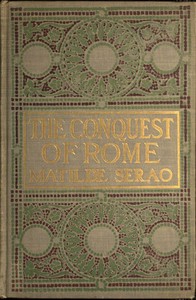
The conquest of Rome
Written by Matilde Serao
Chaptra reads alongside you — AI insights, chapter breakdowns and reader discussions for every book. Join free
About this book
Reading guide
Themes, characters and key ideas in The conquest of Rome, written by Chaptra AI.
- about 10 hours
- intermediate
- introspective
- ambitious
- melancholy
Matilde Serao's "The Conquest of Rome" chronicles the transformative journey of Francesco Sangiorgio, a newly elected provincial deputy, as he travels to and navigates the vibrant yet overwhelming capital. The novel delves into his profound introspection, grappling with the weight of ambition, his humble past, and the complex social and political dynamics of early 20th-century Rome. Through Sangiorgio's experiences, Serao crafts a psychological portrait of an individual confronting the gap between his idealized aspirations and the often isolating realities of power and urban life. It explores themes of identity, disillusionment, and the city itself as a formidable character, offering a critical lens on human emotions and societal structures.
“Rome was not merely a city; it was an aspiration, a vast, complex dream he had chased across the provinces.”
Key themes
- Ambition and Disillusionment
- This theme explores the driving force of Francesco Sangiorgio's ambition to become a deputy and the subsequent disillusionment he faces as he confronts the realities of political life and the grand city of Rome. It delves into the gap between idealized aspirations and the often-harsh, isolating truths of power and public service.
- Identity and Self-Discovery
- The novel deeply examines Sangiorgio's struggle to define and redefine his identity as he transitions from a provincial lawyer to a national deputy in Rome. It explores how a new environment, societal expectations, and personal ambition challenge his sense of self and force him into a process of introspection and self-discovery.
- The City as a Character
- Rome is not merely a backdrop but an active, almost sentient entity that profoundly influences Francesco Sangiorgio's experiences and psychological state. It embodies both the promise of ambition and the overwhelming indifference of a powerful metropolis, shaping his journey and challenging his perceptions.
Worth discussing
How does Serao use the journey to Rome to symbolize Francesco Sangiorgio's internal transformation?
Chapter-by-chapter breakdowns, character arcs and the full thematic analysis come with a free account.
Discussions
No one has started one yet
Questions this book opens up
No discussions yet
Be the first to start a discussion about this book!
Sign up to start the discussionReviews
No reviews yet
Be the first to review this book!