
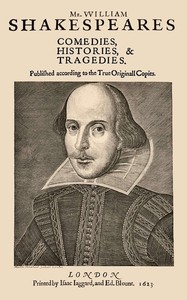
The Complete Works of William Shakespeare
Written by William Shakespeare
Chaptra reads alongside you — AI insights, chapter breakdowns and reader discussions for every book. Join free
About this book
Reading guide
Themes, characters and key ideas in The Complete Works of William Shakespeare, written by Chaptra AI.
- about 500 hours
- advanced
- tragic
- comedic
- philosophical
"The Complete Works of William Shakespeare" is an unparalleled collection spanning the late 16th to early 17th centuries, encompassing an extraordinary range of sonnets, comedies, histories, and tragedies. It showcases Shakespeare's profound mastery of language, dramatic structure, and character psychology, exploring universal human experiences. From the introspective sonnets grappling with love, beauty, and mortality to the grand narratives of kings, lovers, and tragic heroes, the collection delves into timeless themes such as ambition, betrayal, justice, and the complexities of human nature. This monumental body of work has profoundly influenced English language and literature, remaining a cornerstone of Western culture and continuing to resonate with audiences worldwide.
“To be, or not to be, that is the question.”
Key themes
- Love and Desire
- Shakespeare explores the multifaceted nature of love, from the passionate and idealized romantic love (Romeo and Juliet) to familial affection, friendship, and destructive obsession (Othello). His sonnets delve into the enduring nature of love despite time's passage, while comedies celebrate its transformative power, and tragedies expose its vulnerabilities to external forces and internal flaws.
- Ambition and Power
- This theme examines the corrupting influence of ambition, the nature of leadership, and the struggle for political power. Shakespeare's histories depict the rise and fall of kings, while tragedies like *Macbeth* and *Julius Caesar* show how unchecked ambition can lead to tyranny, moral decay, and ultimate destruction, often at the cost of personal integrity.
- Appearance vs. Reality
- This pervasive theme explores the discrepancy between what seems to be true and what actually is. It manifests through disguises, deceit, mistaken identities, and characters who deliberately present false fronts. It questions the reliability of perception and highlights how easily individuals and societies can be misled, often with tragic or comedic consequences.
Worth discussing
How do Shakespeare's various genres (tragedy, comedy, history) reflect different facets of the human condition?
Chapter-by-chapter breakdowns, character arcs and the full thematic analysis come with a free account.
Discussions
No one has started one yet
Questions this book opens up
No discussions yet
Be the first to start a discussion about this book!
Sign up to start the discussionReviews
No reviews yet
Be the first to review this book!