
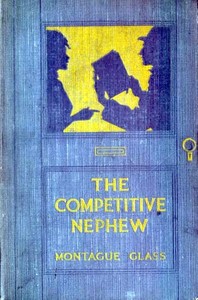
The Competitive Nephew
Written by Montague Glass
Chaptra reads alongside you — AI insights, chapter breakdowns and reader discussions for every book. Join free
About this book
Reading guide
Themes, characters and key ideas in The Competitive Nephew, written by Chaptra AI.
- about 7 hours
- intermediate
- humorous
- satirical
- lighthearted
Montague Glass's "The Competitive Nephew" is a humorous early 20th-century novel set within the bustling New York garment district, specifically the cloak and suit business. The narrative centers on the comedic entanglements arising from Aaron Pinsky's insistent promotion of his ambitious, recently business-schooled nephew, Fillup, to the exasperated business partners Sam Zaretsky and Max Fatkin. As Fillup enters their firm, the story explores themes of nepotism, cutthroat competition, and the often-absurd complexities of human and business relationships. Aaron's asthmatic condition and his unwavering belief in Fillup serve as a constant source of both interference and comic relief, setting the stage for a series of lighthearted conflicts and misunderstandings within the competitive retail world.
“"In business, competition ain't just a word, Mr. Pinsky; it's a lion that wants to eat your lunch, your dinner, and maybe your waistcoat too!"”
Key themes
- Nepotism vs. Meritocracy
- The novel directly tackles the theme of nepotism, as Fillup Pinsky's entry into the business is solely due to his uncle Aaron's influence rather than his own proven merit. This creates tension with the pragmatic business partners who value competence over family ties, highlighting the challenges of balancing loyalty and efficiency in the workplace.
- The Nature of Competition
- Competition is a driving force in the novel, both external (among businesses in the garment district) and internal (Fillup's 'competitive' spirit within the firm). Glass explores the cutthroat reality of early 20th-century commerce, but also the humor and absurdity that can arise from individual ambition and rivalry.
- Generational Clash and Modernity
- The novel highlights the friction between older, experienced business owners (Sam and Max) and the younger, academically trained generation (Fillup). This clash represents a broader societal shift towards modernity, where new ideas and theories challenge traditional wisdom and established practices, often leading to humorous misunderstandings.
Worth discussing
How does Montague Glass use humor to comment on the social and economic conditions of the early 20th century garment industry?
Chapter-by-chapter breakdowns, character arcs and the full thematic analysis come with a free account.
Discussions
No one has started one yet
Questions this book opens up
No discussions yet
Be the first to start a discussion about this book!
Sign up to start the discussionReviews
No reviews yet
Be the first to review this book!