
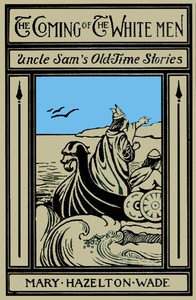
The Coming of the White Men: Stories of How Our Country Was Discovered
Written by Mary Hazelton Blanchard Wade
Chaptra reads alongside you — AI insights, chapter breakdowns and reader discussions for every book. Join free
About this book
Reading guide
Themes, characters and key ideas in The Coming of the White Men: Stories of How Our Country Was Discovered, written by Chaptra AI.
- about 8 hours
- beginner
- patriotic
- historical
- adventurous
Mary Hazelton Wade's "The Coming of the White Men: Stories of How Our Country Was Discovered" is an early 20th-century collection of historical tales designed to educate young readers on the exploration and settlement of America. Framed by the beloved figure of Uncle Sam recounting adventures to the eager twins Joe and Lucy, the book chronologically details the arrival of European explorers, beginning with the Norsemen. Its primary aim is to instill a sense of patriotism and appreciation for the bravery and challenges faced by those who shaped the nation. While delivering engaging narratives of discovery, the book reflects the prevailing ethnocentric views of its time regarding the 'discovery' of a continent already inhabited.
“"And so, brave Leif Erikson, son of the North, first set foot upon the shores of a land yet unknown to the white man, a land destined to become our very own America."”
Key themes
- Patriotism and National Identity
- The core theme of the book is to instill a strong sense of patriotism and pride in American national identity among young readers. It frames historical events and figures as foundational to the nation's greatness, encouraging reverence for its origins.
- Exploration and Discovery
- The book glorifies the spirit of exploration and the concept of 'discovery,' presenting European voyages as heroic endeavors into the unknown. It focuses on the courage required to venture into uncharted territories and the thrill of encountering new lands.
- Bravery and Resilience
- Throughout the stories, the book emphasizes the bravery, courage, and resilience of the European explorers and settlers. It highlights their ability to overcome immense challenges, from perilous sea journeys to harsh environments and conflicts, as a testament to their pioneering spirit.
Worth discussing
How does the book's early 20th-century perspective on 'discovery' differ from modern understandings of history?
Chapter-by-chapter breakdowns, character arcs and the full thematic analysis come with a free account.
Discussions
No one has started one yet
Questions this book opens up
No discussions yet
Be the first to start a discussion about this book!
Sign up to start the discussionReviews
No reviews yet
Be the first to review this book!