
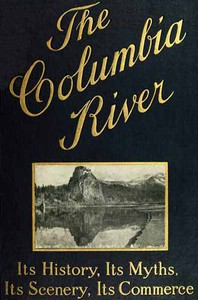
The Columbia River: Its History, Its Myths, Its Scenery, Its Commerce
Written by William Denison Lyman
Chaptra reads alongside you — AI insights, chapter breakdowns and reader discussions for every book. Join free
About this book
Reading guide
Themes, characters and key ideas in The Columbia River: Its History, Its Myths, Its Scenery, Its Commerce, written by Chaptra AI.
- about 8 hours
- intermediate
- Informative
- Majestic
- Historical
William Denison Lyman's "The Columbia River: Its History, Its Myths, Its Scenery, Its Commerce" is an early 20th-century historical account that explores the multifaceted significance of the Columbia River. The book meticulously interweaves the river's geological formation and breathtaking natural beauty with the rich tapestry of human history, particularly focusing on the indigenous cultures and their creation myths, such as that of Wishpoosh. Lyman, a history professor, crafts a picturesque and accessible narrative designed for general readers, illuminating the river's journey from ancient mythical origins through periods of exploration, settlement, and commercial development. It serves as a comprehensive tribute to the Columbia's enduring role as a geographical wonder and a historical crucible for the Pacific Northwest.
“From the primal forces of fire and ice, the Columbia was forged, a testament to earth's profound shaping hand, destined to carve its destiny through millennia.”
Key themes
- The Power and Majesty of Nature
- This theme is central, explored through the Columbia River's geological formation, its immense scale, and its role as a life-giving and destructive force. Lyman vividly describes the natural beauty and raw power of the river and its surrounding landscapes, emphasizing nature's enduring influence over human endeavors.
- The Interweaving of Myth and Reality
- Lyman deliberately juxtaposes scientific explanations of the river's origins with rich Native American creation myths, demonstrating how both forms of narrative contribute to a comprehensive understanding of the Columbia. This theme explores how myth provides cultural meaning and a sense of belonging, complementing empirical facts.
- Cultural Heritage and Indigenous History
- The book dedicates significant attention to the Native American tribes of the Columbia Basin, exploring their diverse cultures, their deep historical ties to the river, and their unique ways of life. It acknowledges their foundational role in the region's history, even if viewed through a historical lens that may not fully align with contemporary indigenous perspectives.
Worth discussing
How does Lyman's interweaving of geological facts and Native American myths enhance or detract from the reader's understanding of the Columbia River?
Chapter-by-chapter breakdowns, character arcs and the full thematic analysis come with a free account.
Discussions
No one has started one yet
Questions this book opens up
No discussions yet
Be the first to start a discussion about this book!
Sign up to start the discussionReviews
No reviews yet
Be the first to review this book!