
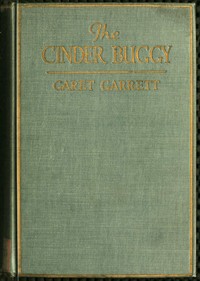
The Cinder Buggy: A Fable in Iron and Steel
Written by Garet Garrett
Chaptra reads alongside you — AI insights, chapter breakdowns and reader discussions for every book. Join free
About this book
Reading guide
Themes, characters and key ideas in The Cinder Buggy: A Fable in Iron and Steel, written by Chaptra AI.
- about 8 hours
- intermediate
- Nostalgic
- Melancholy
- Industrial
Garet Garrett's "The Cinder Buggy" is an early 20th-century industrial novel that chronicles the decline and potential rebirth of New Damascus, a once-proud iron town. The narrative centers on the ambitions of Aaron Breakspeare and Enoch Gib, who, despite differing philosophies, share a drive to revitalize the town's iron industry amidst technological shifts. Through their personal rivalry and the broader struggle of the community, the book explores profound themes of progress versus tradition, the human cost of industrial change, and the enduring spirit of enterprise. It functions as a fable, reflecting on the cyclical nature of industry and the complex interplay between innovation, community identity, and individual ambition.
“"New Damascus was not merely a town; it was a memory cast in iron, now slowly rusting away."”
Key themes
- Industry vs. Tradition
- This is the central thematic conflict, explored through the decline of New Damascus's traditional wrought iron craftsmanship and the struggle to adapt to new industrial technologies. The narrative examines the value of preserving heritage versus the necessity of embracing innovation for survival.
- Progress and Obsolescence
- The novel deeply explores the relentless march of technological progress and its inevitable consequence: rendering older methods and industries obsolete. It questions the true cost of progress, not just in economic terms but in terms of community identity and individual livelihoods.
- Community and Identity
- The identity of New Damascus is inextricably linked to its iron industry. The book examines how the decline of a core industry impacts the collective spirit, social fabric, and sense of self-worth within a community. It explores the struggle to maintain a collective identity in the face of economic hardship and change.
Worth discussing
How does the concept of a 'fable' influence your understanding of the events and characters in 'The Cinder Buggy'?
Chapter-by-chapter breakdowns, character arcs and the full thematic analysis come with a free account.
Discussions
No one has started one yet
Questions this book opens up
No discussions yet
Be the first to start a discussion about this book!
Sign up to start the discussionReviews
No reviews yet
Be the first to review this book!