
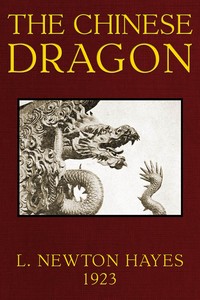
The Chinese Dragon
Written by L. Newton Hayes
Chaptra reads alongside you — AI insights, chapter breakdowns and reader discussions for every book. Join free
About this book
Reading guide
Themes, characters and key ideas in The Chinese Dragon, written by Chaptra AI.
- about 8 hours
- advanced
- Scholarly
- Informative
- Historical
L. Newton Hayes's "The Chinese Dragon" is a seminal early 20th-century scholarly treatise meticulously exploring the multifaceted significance of the dragon in Chinese culture. Hayes delves into the creature's pervasive presence across folklore, art, religion, and superstition, tracing its historical origins and evolving interpretations. The book emphasizes the dragon's esteemed status as a benevolent symbol of power, wisdom, and prosperity, contrasting this sharply with Western mythological portrayals. Through intricate insights and personal accounts, Hayes affirms the dragon's enduring and unique place in Chinese heritage, providing a comprehensive cultural examination and bridging understanding between disparate cultural interpretations.
“The Chinese dragon, far from being a creature of malevolence, stands as the paramount symbol of cosmic power, wisdom, and benevolent prosperity.”
Key themes
- Cultural Significance of the Dragon
- This theme explores the dragon's pervasive and central role in nearly every aspect of Chinese life and thought. Hayes details how the dragon is not merely a mythical beast but a fundamental symbol deeply integrated into folklore, religious practices, artistic expression, literature, and daily superstitions. It represents the very essence of Chinese cultural identity and continuity.
- Cross-Cultural Perception of Dragons
- Hayes dedicates significant attention to comparing and contrasting the Chinese perception of dragons with that of Western cultures. He highlights the fundamental divergence where the Chinese dragon is benevolent, wise, and a bringer of good fortune, while Western dragons are often depicted as malevolent, destructive, and creatures to be slain. This theme underscores how cultural narratives shape our understanding of archetypal symbols.
- Symbolism of Power, Wisdom, and Prosperity
- This theme focuses on the specific attributes and profoundly positive connotations assigned to the Chinese dragon. Hayes meticulously details how the dragon embodies imperial power, sagely wisdom, and the promise of wealth and good fortune. It is a symbol of strength, but a benevolent strength, often associated with natural forces like water and rain, which are vital for agricultural prosperity and the well-being of the nation.
Worth discussing
How does Hayes's portrayal of the Chinese dragon challenge or confirm your prior perceptions of dragons in mythology?
Chapter-by-chapter breakdowns, character arcs and the full thematic analysis come with a free account.
Discussions
No one has started one yet
Questions this book opens up
No discussions yet
Be the first to start a discussion about this book!
Sign up to start the discussionReviews
No reviews yet
Be the first to review this book!