
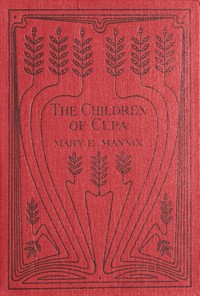
The Children of Cupa
Written by Mary Ellen Mannix
Chaptra reads alongside you — AI insights, chapter breakdowns and reader discussions for every book. Join free
About this book
Read it with a club
Small groups reading the same books and talking as they go.


News
- 4 members
- 1,813 discussions
- Active Sep 11
Read The Children of Cupa alongside people who are reading it too.
Also here: News Bulletin, Just Joking....
Chaptra Prime — paid clubs, every club feature, and unlimited reading support, for $5 a month or $60 once.
See PrimeReading guide
Themes, characters and key ideas in The Children of Cupa, written by Chaptra AI.
- about 8 hours
- intermediate
- historical
- thought-provoking
- somber
Mary E. Mannix's early 20th-century novel, "The Children of Cupa," interweaves a family's personal journey of healing with a poignant exploration of historical injustice. The Page family, led by a recovering Mrs. Page and her children, Nellie and Walter, embarks on a summer camping trip to Warner's Hot Springs in California, a place chosen for its therapeutic qualities. Simultaneously, the narrative confronts the harsh reality faced by the local Cupeño Indians, who are on the brink of forced eviction from their ancestral lands. Through the children's innocent curiosity and the family's evolving discussions, the book blends themes of family bonding and the restorative power of nature with the profound cultural conflict surrounding land rights and indigenous displacement. It sets the stage for an insightful examination of empathy, historical context, and the collision of personal narratives with broader societal injustices.
“"Imagine, Nellie, living in an Indian village! What adventures we shall have!"”
Key themes
- Land Ownership and Displacement
- This is the central political and social theme, exploring the injustice of the Cupeño Indians being evicted from their ancestral lands. The novel highlights the profound spiritual, cultural, and historical connection indigenous peoples have to their territories, contrasting it with the legalistic and often unjust claims of settler society. It examines the devastating impact of forced removal on a community's identity and way of life.
- Empathy and Understanding
- The theme explores how individuals, particularly the Page family, come to understand and empathize with the struggles of others, specifically the Cupeño. It tracks a journey from initial curiosity or detachment to a deeper, more compassionate awareness of a marginalized community's pain and resilience. The children's perspective is crucial here, as their innocence allows for an unfiltered emotional response to injustice.
- Family Bonding and Healing
- This theme centers on the Page family's internal dynamics, particularly Mrs. Page's recovery and the children's summer adventure. The camping trip serves as a setting for familial connection, support, and growth, both individually and as a unit. The shared experience of nature and confronting external challenges strengthens their bonds.
Worth discussing
How does the novel use the Page family's personal journey of healing to highlight the larger societal injustice faced by the Cupeño Indians?
Chapter-by-chapter breakdowns, character arcs and the full thematic analysis come with a free account.
Discussions
No one has started one yet
Questions this book opens up
No discussions yet
Be the first to start a discussion about this book!
Sign up to start the discussionReviews
No reviews yet
Be the first to review this book!