
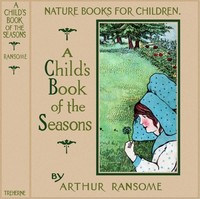
The Child's Book of the Seasons
Written by Arthur Ransome
Chaptra reads alongside you — AI insights, chapter breakdowns and reader discussions for every book. Join free
About this book
Reading guide
Themes, characters and key ideas in The Child's Book of the Seasons, written by Chaptra AI.
- about 8 hours
- beginner
- uplifting
- whimsical
- educational
Arthur Ransome's "The Child's Book of the Seasons" is a captivating early 20th-century children's nature guide that invites young readers to explore the annual cycle of the natural world. Through the adventures of two imaginative children, the Imp and the Elf, the book charmingly depicts the unique wonders and activities associated with Spring, Summer, Autumn, and Winter. It beautifully illustrates the simple joys of childhood curiosity and friendship as the characters discover flora, fauna, and changing weather patterns. This work serves as an gentle introduction to ecology and the rhythms of nature, fostering an appreciation for the beauty and significance of seasonal transitions. Ultimately, it encourages a deeper connection with one's surroundings and celebrates the enduring magic of the outdoors.
“And so, as the first shy primroses lifted their heads, the Imp and the Elf knew that Spring had truly come.”
Key themes
- Connection to Nature
- This is the central and most pervasive theme, exploring the profound bond between children and the natural world. The book emphasizes direct interaction, observation, and appreciation of flora, fauna, and environmental phenomena, encouraging an intimate and respectful relationship with the outdoors.
- Childhood Wonder and Imagination
- The book celebrates the unique capacity of children to perceive the world with fresh eyes, imbuing everyday natural occurrences with magic and significance. The Imp and the Elf's imaginative play enhances their experiences, transforming simple observations into grand adventures.
- The Cycle of Seasons and Change
- The book meticulously follows the annual cycle, highlighting the distinct characteristics and beauty of Spring, Summer, Autumn, and Winter. It teaches children about the rhythm of life, the inevitability of change, and the unique gifts each period brings, fostering an appreciation for natural transitions.
Worth discussing
How does the book encourage children to observe nature more closely in their own surroundings?
Chapter-by-chapter breakdowns, character arcs and the full thematic analysis come with a free account.
Discussions
No one has started one yet
Questions this book opens up
No discussions yet
Be the first to start a discussion about this book!
Sign up to start the discussionReviews
No reviews yet
Be the first to review this book!