
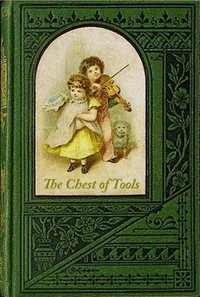
The chest of tools
Written by Madeline Leslie
Chaptra reads alongside you — AI insights, chapter breakdowns and reader discussions for every book. Join free
About this book
Read it with a club
Small groups reading the same books and talking as they go.


News
- 4 members
- 1,813 discussions
- Active Sep 11
Read The chest of tools alongside people who are reading it too.
Also here: News Bulletin, Just Joking....
Chaptra Prime — paid clubs, every club feature, and unlimited reading support, for $5 a month or $60 once.
See PrimeReading guide
Themes, characters and key ideas in The chest of tools, written by Chaptra AI.
- about 8 hours
- beginner
- didactic
- cautionary
- somber
Madeline Leslie's "The Chest of Tools" is a late 19th-century moral tale centered on the virtues of honesty and accountability. The narrative follows two boys, Henry and Ernest, after Henry disobediently opens his uncle's locked tool chest, leading to Ernest's injury. Henry's subsequent struggle with guilt and the temptation to lie to avoid punishment forms the core conflict, exploring the detrimental impact of deceit on personal relationships. Ernest, meanwhile, grapples with fear of his uncle's wrath, highlighting the broader consequences of Henry's actions. The story culminates in Henry's sincere confession, paving the way for reconciliation with his father and a fresh start built on truthfulness, serving as a cautionary yet hopeful lesson in repentance and redemption.
“"A lie is like a stone thrown into a pond; the ripples spread far and wide, affecting everything it touches."”
Key themes
- Honesty vs. Dishonesty
- This is the central theme of the book, explored through Henry's struggle to conceal his wrongdoing. The narrative meticulously details the psychological and relational costs of dishonesty, contrasting it with the freedom and integrity found in truthfulness. It emphasizes that while lies may offer temporary escape, they ultimately lead to greater suffering and isolation.
- Accountability and Consequences
- The book powerfully illustrates that actions, particularly disobedient and dishonest ones, carry inevitable consequences. It shows how Henry's initial act leads to Ernest's injury, and how his subsequent lies lead to strained relationships and internal turmoil. The narrative underscores the importance of taking responsibility for one's actions, rather than attempting to evade blame.
- Redemption and Forgiveness
- While Henry commits a serious moral transgression, the story ultimately offers a path to redemption through sincere repentance. His confession, though difficult, leads to forgiveness from his father and the opportunity for a 'fresh start.' This theme highlights the belief that mistakes can be overcome, and individuals can change for the better through honesty, remorse, and the grace of others.
Worth discussing
How does Henry's internal struggle with guilt manifest, and what does it reveal about the nature of conscience?
Chapter-by-chapter breakdowns, character arcs and the full thematic analysis come with a free account.
Discussions
No one has started one yet
Questions this book opens up
No discussions yet
Be the first to start a discussion about this book!
Sign up to start the discussionReviews
No reviews yet
Be the first to review this book!