
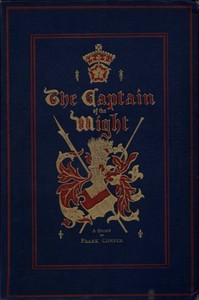
The Captain of the Wight: A Romance of Carisbrooke Castle in 1488
Written by Frank Cowper
Chaptra reads alongside you — AI insights, chapter breakdowns and reader discussions for every book. Join free
About this book
Reading guide
Themes, characters and key ideas in The Captain of the Wight: A Romance of Carisbrooke Castle in 1488, written by Chaptra AI.
- about 8 hours
- intermediate
- adventurous
- chivalrous
- historical
Frank Cowper's "The Captain of the Wight" is a late 19th-century historical novel set in 1488, chronicling the coming-of-age journey of Ralph de Lisle. From his fifteenth birthday, marked by the gift of a gerfalcon, Ralph embarks on a path to knighthood under the tutelage of Sir Edward Woodville at Carisbrooke Castle. The narrative blends the youthful exuberance of adventure with the serious undertones of duty, lineage, and the civil strife of the Renaissance era. It explores themes of valor, honor, and ambition against a backdrop of rich historical detail and the romantic ideals of chivalry, as Ralph navigates personal growth and the challenges of a tumultuous period.
“"A gerfalcon, Ralph! Let her flight be as free as your spirit, yet as true as your aim should be in life."”
Key themes
- Chivalry and Honor
- The central theme, exploring the codes of conduct, bravery, loyalty, and courtesy expected of knights. The novel delves into what it means to live by these ideals in a tumultuous world, often contrasting true honor with selfish ambition. Ralph's journey is a constant test and affirmation of these virtues.
- Coming of Age (Bildungsroman)
- The narrative meticulously traces Ralph de Lisle's transition from boyhood to manhood. It explores the challenges, lessons, and personal growth involved in assuming adult responsibilities, understanding one's place in the world, and forming one's identity amidst external pressures and internal aspirations.
- The Weight of Lineage and Legacy
- The novel emphasizes the significance of one's family name and ancestral history in a feudal society. Ralph is constantly aware of his de Lisle heritage, and his actions are often motivated by a desire to uphold and honor his family's legacy, showcasing both the pride and the burden of inherited status.
Worth discussing
How does Ralph de Lisle's journey exemplify the ideals of chivalry in the late 15th century? Are these ideals still relevant today?
Chapter-by-chapter breakdowns, character arcs and the full thematic analysis come with a free account.
Discussions
No one has started one yet
Questions this book opens up
No discussions yet
Be the first to start a discussion about this book!
Sign up to start the discussionReviews
No reviews yet
Be the first to review this book!