
The AI reading companion for people who take books seriously
AI insights, chapter breakdowns, community discussions — all in one place.
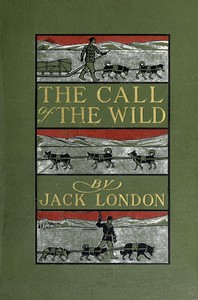
The call of the wild
About this book
More by Jack London
Browse all books by this authorExplore Adventure stories Books
Discover more Adventure stories literature
Click "Read now" to open in our Reader with AI features.
Community Discussions
Join the conversation about this book
Discussions
0 discussions
No discussions yet
Be the first to start a discussion about this book!
Sign up to start the discussionAI-Powered Insights
A clearer way to understand The call of the wild through themes, characters, and key ideas
This reading guide highlights what stands out in The call of the wild through 4 core themes, 4 character profiles. It is meant to help readers decide whether the book fits their taste and deepen the reading once they begin.
About this book
A quick AI guide to “The call of the wild”
Get the shape of the book before you commit: what it is about, what mood it carries, and what ideas readers tend to stay with afterward.
What the book is doing
Jack London's "The Call of the Wild" chronicles the dramatic transformation of Buck, a pampered St. Bernard-Scotch Shepherd, from a domesticated pet in California to a fierce, primal leader of a wolf pack in the Yukon wilderness. Kidnapped and thrust into the brutal world of the Klondike Gold Rush, Buck endures cruelty, starvation, and relentless labor, forcing him to shed his civilized veneer and embrace his ancestral instincts. The narrative vividly depicts his struggle for survival, his rivalry with other dogs, and his profound bond with John Thornton, the one human who treats him with kindness. Ultimately, Buck answers the irresistible 'call of the wild,' fully reverting to his primordial self and becoming a legendary figure in the Northland.
Key Themes
The Call of the Wild / Primitivism
This central theme explores the reawakening of primal instincts within Buck. Stripped of civilization's comforts and constraints, Buck gradually sheds his domesticated nature, responding to the innate, ancestral urges for survival, dominance, and freedom in the wilderness. It suggests that these instincts lie dormant within all beings, waiting for the right conditions to emerge.
Survival of the Fittest / Naturalism
London, a naturalist, depicts the Yukon as a harsh, indifferent environment where only the strongest, most cunning, and most adaptable creatures survive. This theme is illustrated through the constant struggles for food, warmth, and dominance among the dogs, and the unforgiving consequences faced by those, like Hal, Charles, and Mercedes, who are ill-equipped for the wilderness.
“"The law of club and fang." ”
How does Buck's transformation reflect London's naturalistic philosophy and the concept of 'survival of the fittest'?
See chapter-by-chapter takeaways, deeper character arcs, and a fuller literary analysis built around this book.
Unlock full AI analysis for “The call of the wild”
Chapter breakdowns, character deep-dives, and thematic analysis — all in one place.
Reader Reviews
See what others are saying
Reviews
Overall Rating
Based on community ratings
No reviews yet
Be the first to review this book!
Readers Also Enjoyed
Discover more books similar to The call of the wild