
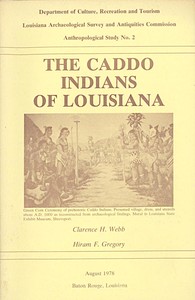
The Caddo Indians of Louisiana
Written by Clarence H. Webb,Hiram F. Gregory
Chaptra reads alongside you — AI insights, chapter breakdowns and reader discussions for every book. Join free
About this book
Reading guide
Themes, characters and key ideas in The Caddo Indians of Louisiana, written by Chaptra AI.
- about 15 hours
- advanced
- informative
- historical
- analytical
"The Caddo Indians of Louisiana" by Webb and Gregory offers a comprehensive historical and archaeological examination of the Caddo people, tracing their existence in northwestern Louisiana from A.D. 800-900 through the late 20th century. The book meticulously details their cultural evolution, from early agricultural societies and complex ceremonial practices to their social organization and interactions with European settlers. Utilizing extensive archaeological findings from sites like Gahagan and Mounds Plantation, it reconstructs Caddoan life across significant cultural phases such as the Alto, Bossier, and Belcher Focuses. Ultimately, the work underscores the resilience and continuity of Caddo cultural identity despite profound sociopolitical changes induced by European contact, presenting a vital record of their enduring heritage.
“"The Caddo's presence in northwestern Louisiana dates back to A.D. 800-900, demonstrating a long and complex cultural evolution."”
Key themes
- Cultural Resilience and Continuity
- This theme explores how the Caddo people maintained their cultural identity, traditions, and social structures despite centuries of external pressures, including disease, displacement, and assimilation attempts by European settlers. It highlights their adaptability and the enduring nature of their heritage.
- The Impact of Colonialism and European Contact
- This theme examines the profound and often devastating effects of European arrival on Caddo society, including sociopolitical changes, the introduction of diseases, shifts in economic practices, and territorial conflicts. It details how external forces reshaped, but did not eradicate, Caddo life.
- Archaeology as a Window to the Past
- This theme underscores the critical role of archaeological findings and historical records in reconstructing the history, culture, and social organization of societies that may not have left extensive written records. It highlights the scientific methodology used to understand pre-contact and early contact indigenous life.
Worth discussing
How do Webb and Gregory use archaeological findings to reconstruct the daily lives and ceremonial practices of the Caddo people?
Chapter-by-chapter breakdowns, character arcs and the full thematic analysis come with a free account.
Discussions
No one has started one yet
Questions this book opens up
No discussions yet
Be the first to start a discussion about this book!
Sign up to start the discussionReviews
No reviews yet
Be the first to review this book!