
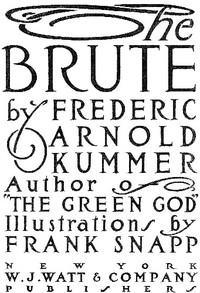
The Brute
Written by Frederic Arnold Kummer
Chaptra reads alongside you — AI insights, chapter breakdowns and reader discussions for every book. Join free
About this book
Reading guide
Themes, characters and key ideas in The Brute, written by Chaptra AI.
- about 8 hours
- intermediate
- tense
- somber
- realistic
Frederic Arnold Kummer's early 20th-century novel, "The Brute," plunges into the fraught marriage of Donald and Edith Rogers, a couple grappling with the harsh realities of poverty in Harlem. Donald's relentless ambition and dedication to work clash with Edith's profound dissatisfaction and yearning for a more luxurious existence. Their small, inadequate apartment becomes a crucible for their emotional and psychological struggles, revealing the erosion of their love amidst financial strain and unfulfilled desires. The narrative intensifies with the re-entry of Donald’s wealthy friend, Billy West, whose presence threatens to unravel the delicate fabric of their commitment and force a confrontation with their deepest aspirations and moral compromises.
“"This isn't living, Donald! It's merely existing, waiting for a life that never comes."”
Key themes
- Marital Discord and Unfulfilled Desires
- At its heart, "The Brute" is a profound study of a marriage under extreme pressure. The discord between Donald and Edith stems primarily from their differing expectations and unfulfilled desires – Edith's longing for a lavish life versus Donald's focus on pragmatic survival and slow, steady ambition. This theme explores how external pressures (poverty) exacerbate internal conflicts, leading to emotional estrangement, resentment, and the questioning of love and commitment.
- Poverty and Social Class
- The pervasive theme of poverty forms the bedrock of the novel, driving the characters' actions and shaping their emotional landscape. It highlights the brutal realities of economic hardship in early 20th-century Harlem, demonstrating how lack of money not only deprives individuals of material comforts but also erodes relationships, stifles ambition, and creates deep psychological distress. The stark contrast between the Rogers' struggles and Billy West's affluence underscores the rigid class divisions of the era.
- Ambition and Disillusionment
- The novel contrasts two forms of ambition: Donald's diligent, slow-burn work ethic aimed at eventual success, and Edith's immediate, almost desperate, desire for wealth and social status. This theme explores the American Dream's promise and its potential for disillusionment when reality falls short. Donald's ambition often feels like a 'brute' force, ignoring emotional needs, while Edith's ambition leads her to a path of temptation and potential moral compromise, ultimately questioning the value and cost of achieving one's desires.
Worth discussing
How does the setting of Harlem in the early 20th century contribute to the characters' struggles and overall mood of the novel?
Chapter-by-chapter breakdowns, character arcs and the full thematic analysis come with a free account.
Discussions
No one has started one yet
Questions this book opens up
No discussions yet
Be the first to start a discussion about this book!
Sign up to start the discussionReviews
No reviews yet
Be the first to review this book!