
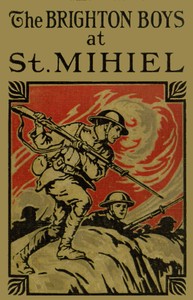
The Brighton Boys at St. Mihiel
Written by James R. Driscoll
Chaptra reads alongside you — AI insights, chapter breakdowns and reader discussions for every book. Join free
About this book
Reading guide
Themes, characters and key ideas in The Brighton Boys at St. Mihiel, written by Chaptra AI.
- about 8 hours
- intermediate
- tense
- somber
- comradely
Lieutenant James R. Driscoll's "The Brighton Boys at St. Mihiel" is an early 20th-century historical novel chronicling the experiences of young American soldiers, the Brighton Boys, as they prepare for the pivotal Battle of St. Mihiel during World War I. The narrative centers on Tom Walton and his comrades, exploring themes of camaraderie, bravery, and the grim realities of war amidst the oppressive atmosphere of anticipation. From the bleak, rain-soaked waiting periods punctuated by mundane duties and moments of humor (like dealing with their mule, Maud), the story builds towards the life-altering engagement. The arrival of General Pershing signifies the imminent transition from tense inactivity to the serious, decisive action on the horizon, setting the stage for a profound exploration of youthful courage under fire.
“The rain was a constant companion, a cold, indifferent witness to their shared dread.”
Key themes
- Camaraderie and Brotherhood
- This theme explores the deep bonds forged between soldiers facing shared danger and hardship. It highlights how mutual reliance, shared humor, and unwavering loyalty become essential for survival, both physically and psychologically, in the brutal environment of war.
- Bravery and Duty
- The novel examines different facets of bravery—not just the courage in combat, but also the mental fortitude to endure prolonged waiting, fear, and uncertainty. It also delves into the concept of duty, exploring the soldiers' commitment to their country, their comrades, and their assigned mission.
- The Harsh Realities of War
- Despite its early 20th-century context, the novel makes an effort to depict the grim, unromanticized aspects of warfare, including the physical discomfort, psychological strain, and the pervasive sense of dread. It illustrates that war is not just about heroic charges but also about mud, rain, disease, and the constant threat of death.
Worth discussing
How does the novel portray the psychological toll of waiting for battle, and how does this compare to depictions of actual combat?
Chapter-by-chapter breakdowns, character arcs and the full thematic analysis come with a free account.
Discussions
No one has started one yet
Questions this book opens up
No discussions yet
Be the first to start a discussion about this book!
Sign up to start the discussionReviews
No reviews yet
Be the first to review this book!