
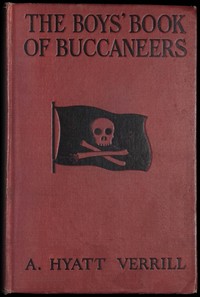
The boys' book of buccaneers
Written by A. Hyatt (Alpheus Hyatt) Verrill
Chaptra reads alongside you — AI insights, chapter breakdowns and reader discussions for every book. Join free
About this book
Read it with a club
Small groups reading the same books and talking as they go.


News
- 4 members
- 1,813 discussions
- Active Sep 11
Read The boys' book of buccaneers alongside people who are reading it too.
Also here: News Bulletin, Just Joking....
Chaptra Prime — paid clubs, every club feature, and unlimited reading support, for $5 a month or $60 once.
See PrimeReading guide
Themes, characters and key ideas in The boys' book of buccaneers, written by Chaptra AI.
- about 8 hours
- intermediate
- Adventurous
- Historical
- Informative
A. Hyatt Verrill's "The Boys' Book of Buccaneers" offers a compelling historical journey into the world of Caribbean buccaneers, distinguishing them from common pirates through their origins rooted in England's conflict with Spain. Framed by a conversation between young Jack and his father, Mr. Bickford, the book provides an accessible entry point for young readers into complex naval history. It chronicles the exploits of notable figures like Sir Henry Morgan, illustrating their adventurous yet often brutal lives. The narrative serves as both an educational tool and an exciting account, exploring themes of national allegiance, survival, and the blurred lines of maritime justice in the 17th century. Ultimately, it aims to clarify the historical context and unique character of these sea warriors who significantly shaped the Caribbean's past.
“"But Father, what's the real difference between a buccaneer and a pirate? Aren't they just the same thing?" (Illustrative of Jack's initial inquiry)”
Key themes
- The Distinction Between Buccaneers and Pirates
- This is the central thesis of the book. Verrill meticulously explains that buccaneers, unlike common pirates, often operated with a degree of state sanction (privateering commissions or letters of marque) from nations like England, France, or the Netherlands, primarily against Spanish interests. This distinction highlights the geopolitical context of their actions, positioning them as agents in a larger imperial struggle rather than mere criminals.
- Adventure and Exploration
- The book vividly portrays the adventurous spirit of the buccaneers, emphasizing their daring voyages, courageous battles, and the thrill of discovery and plunder in the uncharted or contested waters of the Caribbean. It appeals to a youthful sense of excitement and the allure of a life beyond conventional boundaries.
- National Conflict and Colonialism
- The rise of buccaneering is presented as a direct consequence of the imperial rivalries, particularly between England and Spain, for dominance in the New World. The buccaneers served as an unofficial naval force, furthering their nation's colonial ambitions by harassing enemy shipping and settlements, thus making this a central theme of geopolitical struggle.
Worth discussing
How does the book differentiate between buccaneers and pirates, and why is this distinction important for understanding Caribbean history?
Chapter-by-chapter breakdowns, character arcs and the full thematic analysis come with a free account.
Discussions
No one has started one yet
Questions this book opens up
No discussions yet
Be the first to start a discussion about this book!
Sign up to start the discussionReviews
No reviews yet
Be the first to review this book!