
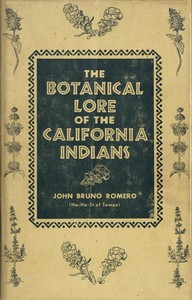
The Botanical Lore of the California Indians: with Side Lights on Historical Incidents in California
Written by John Bruno Romero
Chaptra reads alongside you — AI insights, chapter breakdowns and reader discussions for every book. Join free
About this book
Reading guide
Themes, characters and key ideas in The Botanical Lore of the California Indians: with Side Lights on Historical Incidents in California, written by Chaptra AI.
- about 10 hours
- intermediate
- informative
- reverent
- historical
John Bruno Romero's "The Botanical Lore of the California Indians" meticulously documents the extensive ethnobotanical knowledge of indigenous Californians, focusing on their sophisticated use of local plants for medicinal purposes. Written in the mid-20th century, the book serves as a crucial effort to preserve this vital, often secret, cultural heritage, intertwining detailed accounts of herbal remedies with significant historical events. It highlights the devastating impact of epidemics like smallpox on Native communities and the remarkable resilience and ingenuity of figures such as Chief Andres Lucero, who leveraged traditional plant wisdom to combat these crises. By casting light on these practices and historical interactions with colonizers, Romero fosters a deeper appreciation for indigenous contributions to medicine and cultural preservation, underscoring the efficacy and importance of this ancient knowledge.
“"The extensive knowledge indigenous Californians possessed regarding their local flora was not merely anecdotal; it was a sophisticated system of healing, honed over millennia."”
Key themes
- Preservation of Indigenous Knowledge
- This is the overarching theme, emphasizing the urgent need to document and safeguard the ethnobotanical wisdom of indigenous Californians. Romero's work itself is an act of preservation, aiming to prevent the loss of centuries of accumulated knowledge, especially concerning medicinal plants, which were often kept secret or faced erosion due to colonial pressures.
- Resilience in the Face of Adversity
- The book powerfully illustrates the incredible resilience of California's indigenous peoples, particularly their ability to survive and adapt amidst devastating smallpox outbreaks and the broader challenges of colonization. Their continued reliance on and development of traditional healing practices in such dire circumstances underscores their strength and determination.
- Ethnobotany and Traditional Medicine
- This theme explores the sophisticated scientific system embedded within indigenous knowledge of plants. It details the practical application of plants for healing, showcasing an advanced understanding of pharmacology and ecology long before Western science recognized such concepts. The book highlights the efficacy and complexity of these traditional remedies.
Worth discussing
How does Romero's documentation of indigenous botanical lore challenge or complement Western scientific perspectives on medicine?
Chapter-by-chapter breakdowns, character arcs and the full thematic analysis come with a free account.
Discussions
No one has started one yet
Questions this book opens up
No discussions yet
Be the first to start a discussion about this book!
Sign up to start the discussionReviews
No reviews yet
Be the first to review this book!