
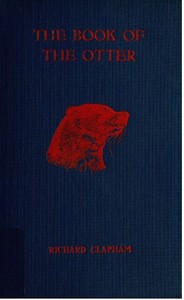
The book of the otter : $b A manual for sportsmen and naturalists
Written by Richard Clapham
Chaptra reads alongside you — AI insights, chapter breakdowns and reader discussions for every book. Join free
About this book
Reading guide
Themes, characters and key ideas in The book of the otter : $b A manual for sportsmen and naturalists, written by Chaptra AI.
- about 8 hours
- intermediate
- informative
- historical
- didactic
Richard Clapham's "The Book of the Otter" serves as an early 20th-century comprehensive manual dedicated to the natural history and hunting practices surrounding the otter. Written to address a perceived gap in literature, the book aims to educate both sportsmen and naturalists on this elusive creature. It systematically covers the otter's physical characteristics, habitat, dietary preferences, and complex behaviors, providing a foundational understanding before delving into the intricacies of otter hunting. The work bridges scientific observation with practical field guidance, reflecting the author's intent to demystify the otter for a community increasingly engaged in its pursuit. Ultimately, it stands as a significant historical document detailing human interaction with wildlife during a specific era.
“It is my earnest hope that this volume will illuminate the often-misunderstood life of the otter, a creature deserving of deeper study by both naturalist and sportsman.”
Key themes
- Human-Animal Relationship: Sport vs. Nature
- This theme explores the complex dynamic between humans and otters, oscillating between scientific curiosity and the pursuit of sport. Clapham attempts to bridge these two aspects, advocating for an informed approach to hunting that stems from a deep understanding of the animal's natural history. It highlights how humans interacted with wildlife for both recreation and study in the early 20th century.
- The Pursuit of Knowledge and Understanding
- A core motivation for Clapham is the dissemination of knowledge about the otter, which he notes is poorly understood. The book is an explicit attempt to fill this 'lacuna' in literature, providing detailed observations and insights. This theme underscores the value placed on empirical study and systematic documentation in early naturalism.
- Tradition and Change in Rural Life
- The book implicitly reflects the cultural practices and social norms of early 20th-century rural Britain, where otter hunting was a recognized and popular sport. It showcases how traditional activities were maintained and documented, even as the world around them was beginning to modernize. The manual itself is an attempt to standardize and preserve these practices through detailed instruction.
Worth discussing
How does Clapham's approach to natural history differ from modern ecological perspectives?
Chapter-by-chapter breakdowns, character arcs and the full thematic analysis come with a free account.
Discussions
No one has started one yet
Questions this book opens up
No discussions yet
Be the first to start a discussion about this book!
Sign up to start the discussionReviews
No reviews yet
Be the first to review this book!