
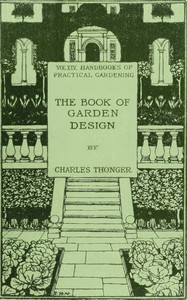
The book of garden design
Written by Charles Thonger
Chaptra reads alongside you — AI insights, chapter breakdowns and reader discussions for every book. Join free
About this book
Reading guide
Themes, characters and key ideas in The book of garden design, written by Chaptra AI.
- about 8 hours
- intermediate
- Instructive
- Reflective
- Harmonious
Charles Thonger's "The Book of Garden Design," an early 20th-century guide, champions a personalized and organic approach to garden creation. It instructs novice gardeners to cultivate their unique ideas by observing and understanding nature, rather than adhering to rigid, pre-established designs. Thonger posits that successful garden design is a delicate blend of art and practicality, requiring engagement with the natural landscape's diverse elements. The book critiques previous designers' inflexible methods, advocating for a style that prioritizes comfort, convenience, and aesthetic harmony. Ultimately, it aims to empower readers to forge their own harmonious outdoor spaces rooted in natural principles.
“The complexity of garden design as a discipline that blends both art and practicality.”
Key themes
- Nature vs. Artifice
- This is the central thematic tension of the book. Thonger argues against imposing artificial, rigid structures onto a landscape, advocating instead for designs that emerge from an understanding and respect for natural forms and processes. He champions a harmonious integration where human creativity enhances, rather than dominates, natural beauty, promoting an organic aesthetic over formal, geometric patterns.
- Individuality and Self-Cultivation
- Thonger places significant value on the individual's unique vision and taste. He encourages novice gardeners not to merely replicate existing designs but to cultivate their own ideas, fostering a sense of personal ownership and creative expression. This theme emphasizes the garden as an extension of the self and a space for personal growth and artistic development.
- Practicality and Aesthetics
- The book explores the essential synthesis of functional needs with visual appeal. Thonger argues that a successful garden must be both beautiful and usable, comfortable, and convenient. This theme highlights that true garden design is not just about superficial beauty but also about creating a space that serves its inhabitants effectively while delighting the senses.
Worth discussing
How does Thonger's critique of 'rigid designs' resonate with contemporary architectural or landscape trends?
Chapter-by-chapter breakdowns, character arcs and the full thematic analysis come with a free account.
Discussions
No one has started one yet
Questions this book opens up
No discussions yet
Be the first to start a discussion about this book!
Sign up to start the discussionReviews
No reviews yet
Be the first to review this book!