
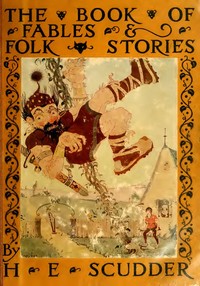
The Book of Fables and Folk Stories
Written by Horace Elisha Scudder
Chaptra reads alongside you — AI insights, chapter breakdowns and reader discussions for every book. Join free
About this book
Reading guide
Themes, characters and key ideas in The Book of Fables and Folk Stories, written by Chaptra AI.
- about 8 hours
- beginner
- moral
- instructive
- charming
Horace Elisha Scudder's "The Book of Fables and Folk Stories" is a seminal collection from the late 19th century, meticulously compiled to introduce young readers to timeless moral lessons through engaging narratives. Featuring beloved tales like "Little Red Riding Hood," "The Goose That Laid Golden Eggs," and "The Lion and the Mouse," the book serves as both entertainment and a foundational text for ethical instruction. Each story, whether a fable or a folk tale, is carefully selected to highlight virtues such as kindness, prudence, and the dangers of vices like greed and disobedience. This compilation underscores the enduring power of traditional storytelling in shaping character and transmitting cultural values across generations.
“"All that glitters is not gold."”
Key themes
- Morality and Ethics
- This is the overarching theme of the entire collection. Each fable and folk story is explicitly or implicitly designed to teach a moral lesson, guiding readers towards virtues such as honesty, kindness, patience, and humility, while warning against vices like greed, pride, deceit, and disobedience.
- Consequences of Actions
- A central tenet in fables, this theme emphasizes that every action, good or bad, carries a direct and often inevitable consequence. It serves as a strong deterrent against poor choices and an encouragement for virtuous behavior.
- Kindness and Empathy
- Many stories highlight the transformative power of kindness and the importance of empathy, showing how compassion can lead to unexpected rewards and foster strong bonds, often between the seemingly powerful and the weak.
Worth discussing
How do fables and folk stories effectively teach moral lessons? Are these lessons still relevant today?
Chapter-by-chapter breakdowns, character arcs and the full thematic analysis come with a free account.
Discussions
No one has started one yet
Questions this book opens up
No discussions yet
Be the first to start a discussion about this book!
Sign up to start the discussionReviews
No reviews yet
Be the first to review this book!