
The AI reading companion for people who take books seriously
AI insights, chapter breakdowns, community discussions — all in one place.
Book0 • 300+ pages • 5+ hours reading time
The book of earth
By Alfred Noyes
3.7/5
217 readers on Chaptra have this book
About this book
"The Book of Earth" by Alfred Noyes is a collection of poems written in the early 20th century. The work explores profound themes related to nature, existence, and the intertwining of humanity with the ancient and mysterious world around us. Through rich imagery and philosophical inquiry, Noyes delves into the depths of the Grand Canyon, evoking a sense of timelessness and the elemental forces that shape our understanding of life. The opening portion of “The Book of Earth” takes readers on a vivid journey to the Grand Canyon, where the narrator stands on its brink, surrounded by breathtaking natural beauty and existential contemplation. He observes the majesty of the landscape, juxtaposed with the vastness of time and the insignificance of human existence. This metaphorical reflection evokes deep questions about life’s mysteries and humanity’s place within the broader tapestry of nature. As the narrative unfolds, themes of awe, solitude, and the search for meaning are established, setting the tone for the exploration of the Earth’s timeless "script" and the musings of great thinkers to come throughout the collection.
Language
English
Publisher
Project Gutenberg
Release date
Unknown
Downloads
138
More by Alfred Noyes
Browse all books by this authorExplore Scientists Books
Discover more Scientists literature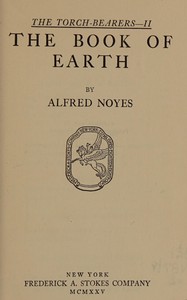
Click "Read now" to open in our Reader with AI features.
Community Discussions
Join the conversation about this book
Discussions
0 discussions
No discussions yet
Be the first to start a discussion about this book!
Sign up to start the discussionAI-Powered Insights
A clearer way to understand The book of earth through themes, characters, and key ideas
AI Reading GuidePreview
Unlock full AI analysis for “The book of earth”
Chapter breakdowns, character deep-dives, and thematic analysis — all in one place.
Reader Reviews
See what others are saying
Reviews
Overall Rating
3.7
2345 ratingsBased on community ratings
No reviews yet
Be the first to review this book!
Readers Also Enjoyed
Discover more books similar to The book of earth