
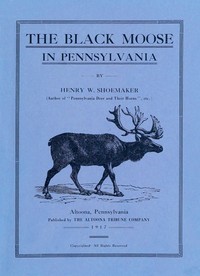
The Black Moose in Pennsylvania
Written by Henry W. Shoemaker
Chaptra reads alongside you — AI insights, chapter breakdowns and reader discussions for every book. Join free
About this book
Reading guide
Themes, characters and key ideas in The Black Moose in Pennsylvania, written by Chaptra AI.
- about 8 hours
- intermediate
- historical
- poignant
- informative
Henry W. Shoemaker's "The Black Moose in Pennsylvania," published around 1917, is a pivotal historical account documenting the presence and eventual extinction of the Black Moose, or 'Original,' in Pennsylvania. Drawing on fossil records, historical documents, and traditional stories, Shoemaker meticulously traces the animal's existence, migration patterns, and interactions with early inhabitants. The book highlights the cultural significance of the moose to Native Americans and early settlers, portraying it as a symbol of wilderness and pride. Ultimately, it serves as a poignant reflection on the species' demise due to human activities like hunting and habitat loss, advocating for conservation and awareness of humanity's impact on the natural world.
“The Black Moose, an animal of singular majesty, once roamed our Pennsylvanian forests as a living symbol of the pristine wilderness.”
Key themes
- Human Impact on Nature
- This is the central thematic pillar of the book, illustrating how human activities—specifically hunting and habitat destruction (deforestation, agricultural expansion)—directly led to the extinction of the Black Moose in Pennsylvania. Shoemaker meticulously details the cause-and-effect relationship, transforming the historical account into a cautionary tale about humanity's capacity to alter and destroy ecosystems.
- Conservation and Environmental Stewardship
- Emerging as a strong undercurrent, this theme reflects Shoemaker's plea for the preservation of wildlife and natural habitats. By documenting a past extinction, he implicitly and explicitly advocates for a more mindful approach to nature, urging future generations to learn from past mistakes and protect remaining species. The book serves as an early call to action for environmental responsibility.
- The Majesty and Loss of Wilderness
- This theme explores the intrinsic value and awe-inspiring quality of wild nature, personified by the Black Moose. Shoemaker portrays the moose as a symbol of the pristine, untamed Pennsylvania wilderness that once was. Its extinction represents not just the loss of a species, but the diminishment of the wilderness itself and the profound spiritual or aesthetic loss that accompanies it.
Worth discussing
How does Shoemaker effectively combine scientific evidence, historical documents, and traditional stories to build his narrative?
Chapter-by-chapter breakdowns, character arcs and the full thematic analysis come with a free account.
Discussions
No one has started one yet
Questions this book opens up
No discussions yet
Be the first to start a discussion about this book!
Sign up to start the discussionReviews
No reviews yet
Be the first to review this book!