
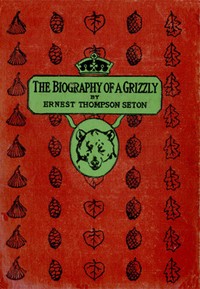
The Biography of a Grizzly
Written by Ernest Thompson Seton
Chaptra reads alongside you — AI insights, chapter breakdowns and reader discussions for every book. Join free
About this book
Reading guide
Themes, characters and key ideas in The Biography of a Grizzly, written by Chaptra AI.
- about 8 hours
- intermediate
- poignant
- naturalistic
- melancholy
Ernest Thompson Seton's "The Biography of a Grizzly" masterfully blends natural history with narrative storytelling to chronicle the life of Wahb, a magnificent grizzly bear. From his carefree cubhood to his tragic orphanhood and arduous journey to becoming the dominant bear of the wilderness, the book explores themes of survival, loss, and the profound impact of human encroachment on nature. Wahb's life is a testament to the raw beauty and brutal realities of the wild, as he contends with both natural predators and the relentless expansion of human civilization. The narrative is a poignant reflection on the grandeur of the natural world and the inevitable conflicts arising from its interaction with humanity, culminating in a moving portrayal of a bear's final days.
“Every animal has a story, and the story of the wild is often written in tooth and claw, in hunger and fear, but also in majesty and resilience.”
Key themes
- Survival in the Wild
- This theme is central to Wahb's story, exploring the constant struggle against natural elements, hunger, rival animals, and human threats. It highlights the resilience, cunning, and raw power required to exist and thrive in an untamed environment, emphasizing nature's 'red in tooth and claw' aspect.
- Human Encroachment and Impact
- This theme examines the destructive influence of human expansion on natural habitats and wildlife. Humans are depicted as the ultimate threat to Wahb's existence, representing the relentless advance of civilization that shrinks the wilderness and endangers its inhabitants.
- The Majesty and Wildness of Nature
- Seton celebrates the awe-inspiring power, beauty, and untamed spirit of the natural world, particularly through the figure of Wahb. The book portrays the wilderness as a sacred space, deserving of reverence and protection, highlighting its intrinsic value beyond human utility.
Worth discussing
How does Seton balance scientific observation with anthropomorphic storytelling in Wahb's narrative? What are the strengths and weaknesses of this approach?
Chapter-by-chapter breakdowns, character arcs and the full thematic analysis come with a free account.
Discussions
No one has started one yet
Questions this book opens up
No discussions yet
Be the first to start a discussion about this book!
Sign up to start the discussionReviews
No reviews yet
Be the first to review this book!