
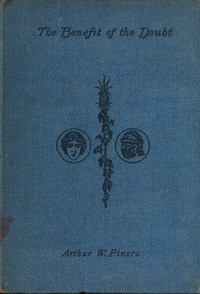
The Benefit of the Doubt; a Comedy in Three Acts
Written by Arthur Wing Pinero
Chaptra reads alongside you — AI insights, chapter breakdowns and reader discussions for every book. Join free
About this book
Reading guide
Themes, characters and key ideas in The Benefit of the Doubt; a Comedy in Three Acts, written by Chaptra AI.
- about 8 hours
- intermediate
- humorous
- witty
- tense
Arthur Wing Pinero's "The Benefit of the Doubt" is a late 19th-century comedy in three acts that brilliantly satirizes societal reputation and the complexities of marital fidelity. The play centers on Theophila Fraser, who has just been controversially vindicated in a scandalous divorce trial, and the ensuing reactions of her anxious family and friends. Set against the backdrop of Mrs. Emptage's drawing-room, the narrative unfolds as characters grapple with the implications of Theophila's legal victory versus public perception and personal judgment. Pinero masterfully uses witty dialogue and intricate character dynamics to expose the hypocrisy and moral ambiguities prevalent in Victorian society, culminating in a nuanced exploration of truth, perception, and the elusive nature of 'justice' within social circles.
“"The court has given her the benefit of the doubt, but society, my dear, is rarely so generous."”
Key themes
- Societal Reputation and Judgment
- This is the central theme, exploring how a person's standing in society is shaped not only by legal facts but overwhelmingly by public opinion, gossip, and moralistic judgments. The play highlights the double standards and hypocrisy inherent in Victorian society's assessment of character, especially for women.
- Marital Relationships and Infidelity
- The foundation of the plot is Theophila's divorce case, which delves into the complexities and expectations of marriage in the late 19th century. The play subtly examines the causes and consequences of marital breakdown, and the societal pressures that can lead to infidelity or accusations thereof.
- Family Dynamics and Hypocrisy
- The play vividly portrays the internal dynamics of a Victorian family grappling with scandal. It exposes the hypocrisy and self-interest that often lie beneath the veneer of familial loyalty, as characters prioritize their own social standing over genuine support for Theophila.
Worth discussing
How does Pinero use comedy to critique serious social issues in the play?
Chapter-by-chapter breakdowns, character arcs and the full thematic analysis come with a free account.
Discussions
No one has started one yet
Questions this book opens up
No discussions yet
Be the first to start a discussion about this book!
Sign up to start the discussionReviews
No reviews yet
Be the first to review this book!