
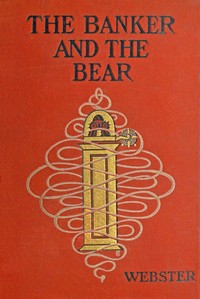
The banker and the bear : $b The story of a corner in lard
Written by Henry Kitchell Webster
Chaptra reads alongside you — AI insights, chapter breakdowns and reader discussions for every book. Join free
About this book
Reading guide
Themes, characters and key ideas in The banker and the bear : $b The story of a corner in lard, written by Chaptra AI.
- about 8 hours
- intermediate
- intricate
- ambitious
- dramatic
Henry Kitchell Webster's "The Banker and the Bear" delves into the cutthroat world of early 20th-century finance, chronicling John Bagsbury's ambitious quest to modernize and control his family's venerable, yet conservative, savings bank. Following his father's death, John navigates a restrictive will and fierce rivalries, including the influence of the speculator Melville Sponley, to reshape the institution. The narrative intertwines high-stakes market speculation—specifically a 'corner in lard'—with complex family dynamics and personal relationships. The arrival of John's niece, Dick Haselridge, introduces new emotional dimensions and perspectives, challenging the rigid male-dominated world of finance and family legacy. Ultimately, the novel explores themes of ambition, tradition versus innovation, and the ethical dilemmas inherent in the pursuit of power and wealth within a changing financial landscape.
“"A bank is not merely a vault of money; it is a vault of trust, and trust, once broken, is the hardest currency to restore."”
Key themes
- Ambition and Power
- The novel deeply explores the psychological drive for ambition and the pursuit of power, particularly within the context of finance and family legacy. John Bagsbury's ambition to modernize and control his family's bank, and Melville Sponley's drive for market dominance, illustrate different facets of this theme. It examines how ambition can be both a constructive force for progress and a destructive force leading to ethical compromises.
- Tradition vs. Modernization
- This theme explores the inherent conflict between established customs and the drive for innovation. John Bagsbury represents the modernizing force, eager to transform his father's conservative institution, while the father's legacy and the restrictive will symbolize the resistance of tradition. The novel captures a pivotal moment in history where old ways of doing business were being challenged by new financial strategies and a more aggressive approach to capitalism.
- Ethics in Finance
- The novel implicitly and explicitly questions the moral boundaries of business practices, particularly concerning market speculation and the pursuit of profit. The 'corner in lard' serves as a central example of financial manipulation, prompting readers to consider the ethical implications of such actions on individuals, markets, and society. It explores whether the ends justify the means in the competitive world of finance.
Worth discussing
Discuss John Bagsbury's motivations for modernizing the bank. Were they purely professional, or were personal grievances with his father also at play?
Chapter-by-chapter breakdowns, character arcs and the full thematic analysis come with a free account.
Discussions
No one has started one yet
Questions this book opens up
No discussions yet
Be the first to start a discussion about this book!
Sign up to start the discussionReviews
No reviews yet
Be the first to review this book!