
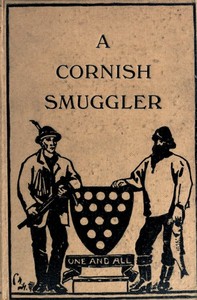
The Autobiography of a Cornish Smuggler: (Captain Harry Carter, of Prussia Cove) 1749-1809
Written by Harry Carter
Chaptra reads alongside you — AI insights, chapter breakdowns and reader discussions for every book. Join free
About this book
Reading guide
Themes, characters and key ideas in The Autobiography of a Cornish Smuggler: (Captain Harry Carter, of Prussia Cove) 1749-1809, written by Chaptra AI.
- about 10 hours
- intermediate
- historical
- reflective
- adventurous
Harry Carter's "The Autobiography of a Cornish Smuggler" offers a unique first-person account of life as a notorious smuggler in 18th and early 19th-century Cornwall. The narrative chronicles Carter's journey from humble mining origins to a career defined by illicit trade, set against the backdrop of a region deeply entrenched in smuggling culture. At its core, the book explores the profound moral and spiritual conflict within Carter, as he grapples with his criminal enterprises and his growing commitment to Methodism. It provides an authentic, often conflicted, perspective on the daring exploits, the economic realities driving such activities, and the personal quest for redemption, making it a valuable historical and psychological document.
“It is my intention to record the principal events of my life, as a testimony of God's dealings with me, both in mercy and judgment.”
Key themes
- Duality of Faith and Crime
- This is the central thematic conflict of the autobiography. Carter constantly grapples with the moral implications of his smuggling activities against the backdrop of his deepening Methodist faith. The theme explores how an individual can simultaneously engage in illicit enterprises and earnestly seek spiritual redemption, highlighting the internal struggle between earthly desires/necessity and divine conviction.
- Law vs. Livelihood / Social Justice
- The autobiography implicitly and explicitly addresses the socio-economic drivers behind smuggling. It portrays smuggling not merely as a criminal act but as a means of survival and a form of economic resistance against perceived unjust taxes and impoverished conditions in Cornwall. This theme questions the legitimacy of laws that seemingly condemn communities to hardship, suggesting a conflict between formal law and the practical needs of the populace.
- Autobiographical Truth and Self-Reflection
- The very act of writing the autobiography is a thematic element. Carter's stated intention to document his life, driven by divine inspiration and personal reflection, raises questions about the nature of memory, truth, and self-justification in personal narratives. The theme explores how individuals construct their own stories, reconcile their pasts, and present themselves to the world, particularly when those pasts involve controversial or criminal activities.
Worth discussing
To what extent was smuggling a moral failing for Harry Carter, and to what extent was it a pragmatic response to economic conditions?
Chapter-by-chapter breakdowns, character arcs and the full thematic analysis come with a free account.
Discussions
No one has started one yet
Questions this book opens up
No discussions yet
Be the first to start a discussion about this book!
Sign up to start the discussionReviews
No reviews yet
Be the first to review this book!