
Chaptra

The AI reading companion for people who take books seriously

AI insights, chapter breakdowns, community discussions — all in one place.

Join free
Book0 • 300+ pages • 5+ hours reading time

The Armenian Crisis in Turkey: The Massacre of 1894, Its Antecedents and Significance, With a Consideration of Some of the Factors Which Enter Into the Solution of This Phase of the Eastern Question

4.6/5
380 readers on Chaptra have this book

About this book

"The Armenian Crisis in Turkey" by Frederick Davis Greene is a historical account written in the late 19th century. The book examines the Armenian Massacre of 1894, exploring its causes, events, and broader implications for the Christian populations within the Ottoman Empire. The author, who has firsthand experience living in Armenia, seeks to shed light on the desperate plight of the Armenians and the systemic failures leading to their oppression. The opening of the book sets a grim tone, presenting the atrocities surrounding the Sassoun Massacre, where thousands of Armenians were brutally killed by Turkish and Kurdish forces. Greene references a collection of corroborative personal testimonies from American citizens who witnessed the aftermath and details the systematic nature of the violence. Furthermore, it emphasizes the urgent need for international awareness and intervention to address the ongoing humanitarian crisis, framing it as a crucial moment in the struggle for justice and human rights in the region. The initial chapters aim to galvanize public opinion against the Turkish regime's actions and highlight the dangerous conditions faced by Armenians under pervasive violence and governmental neglect.
Language
English
Publisher
Project Gutenberg
Release date
Unknown
Downloads
200

More by Frederick Davis Greene

Browse all books by this author

Explore Armenian question Books

Discover more Armenian question literature
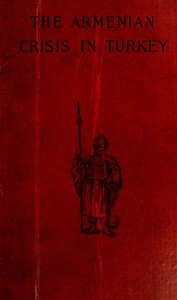
Cover of The Armenian Crisis in Turkey: The Massacre of 1894, Its Antecedents and Significance, With a Consideration of Some of the Factors Which Enter Into the Solution of This Phase of the Eastern Question

Click "Read now" to open in our Reader with AI features.

Community Discussions

Join the conversation about this book

Discussions

0 discussions

Join

No discussions yet

Be the first to start a discussion about this book!

Sign up to start the discussion

AI-Powered Insights

A clearer way to understand The Armenian Crisis in Turkey: The Massacre of 1894, Its Antecedents and Significance, With a Consideration of Some of the Factors Which Enter Into the Solution of This Phase of the Eastern Question through themes, characters, and key ideas

This reading guide highlights what stands out in The Armenian Crisis in Turkey: The Massacre of 1894, Its Antecedents and Significance, With a Consideration of Some of the Factors Which Enter Into the Solution of This Phase of the Eastern Question through 5 core themes, 5 character profiles. It is meant to help readers decide whether the book fits their taste and deepen the reading once they begin.

AI Reading GuidePreview

About this book

A quick AI guide to “The Armenian Crisis in Turkey: The Massacre of 1894, Its Antecedents and Significance, With a Consideration of Some of the Factors Which Enter Into the Solution of This Phase of the Eastern Question

Get the shape of the book before you commit: what it is about, what mood it carries, and what ideas readers tend to stay with afterward.

~10h readadvancedgrimurgenttragic

What the book is doing

Frederick Davis Greene's "The Armenian Crisis in Turkey" is a searing historical account from the late 19th century, meticulously documenting the Armenian Massacre of 1894, particularly the atrocities in Sassoun. Drawing upon firsthand experiences and corroborative testimonies from American witnesses, Greene exposes the systematic violence perpetrated by Turkish and Kurdish forces against the Armenian Christian population. The book serves as an urgent plea for international awareness and intervention, framing the humanitarian crisis as a critical component of the broader "Eastern Question." Greene aims to galvanize public opinion, highlighting the desperate plight of Armenians under systemic oppression and governmental neglect, and advocating for justice and human rights in the region.

Key Themes

Human Rights and Atrocity

This is the central theme, exploring the systematic violation of basic human rights, including the right to life, safety, and religious freedom, through the detailed accounts of the Sassoun Massacre and other persecutions. The book highlights the barbarity and scale of the atrocities committed against the Armenian population.

International Responsibility and Intervention

Greene's book is a powerful plea for international awareness and intervention. It critiques the inaction of European powers and frames the Armenian crisis as a moral imperative for global actors to step in and protect vulnerable populations, linking it to the stability of the region.

A line worth noting
"The blood of the innocent cries from the ground, demanding justice and intervention from the civilized world."
A good discussion starter

Discuss the role of firsthand testimonies in historical documentation and human rights advocacy. How do they shape our understanding of events?

Unlock the full reading guide

See chapter-by-chapter takeaways, deeper character arcs, and a fuller literary analysis built around this book.

Unlock full AI analysis for “The Armenian Crisis in Turkey: The Massacre of 1894, Its Antecedents and Significance, With a Consideration of Some of the Factors Which Enter Into the Solution of This Phase of the Eastern Question

Chapter breakdowns, character deep-dives, and thematic analysis — all in one place.

Reader Reviews

See what others are saying

Reviews

Overall Rating

4.6
700 ratings

Based on community ratings

No reviews yet

Be the first to review this book!

Readers Also Enjoyed

Discover more books similar to The Armenian Crisis in Turkey: The Massacre of 1894, Its Antecedents and Significance, With a Consideration of Some of the Factors Which Enter Into the Solution of This Phase of the Eastern Question