
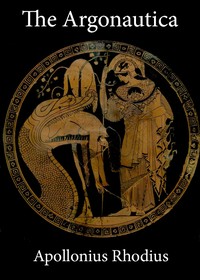
The Argonautica
Written by Rhodius Apollonius
Chaptra reads alongside you — AI insights, chapter breakdowns and reader discussions for every book. Join free
About this book
Reading guide
Themes, characters and key ideas in The Argonautica, written by Chaptra AI.
- about 8 hours
- advanced
- epic
- adventurous
- romantic
Apollonius Rhodius's "The Argonautica" is a Hellenistic epic poem recounting Jason's mythic quest to retrieve the Golden Fleece from Colchis. Tasked by the treacherous King Pelias, Jason assembles the Argonauts, a band of legendary heroes, for a perilous sea voyage aboard the ship Argo. The narrative intricately details their encounters with mythical creatures, hostile lands, and divine interventions, culminating in Jason's complex and fateful alliance with the sorceress Medea. Through this journey, the poem explores themes of reluctant heroism, the destructive power of love, and the challenges of forging identity in a world governed by both human will and divine decree. It stands as a pivotal work bridging the gap between Homeric epics and later Roman literature, offering a more psychologically nuanced portrayal of its characters.
“But a dread fear came over Jason, and his heart was troubled within him.”
Key themes
- Love and Betrayal
- The passionate and destructive love between Jason and Medea is the emotional core of the epic. It explores how love, especially when divinely inspired and overwhelming, can lead to profound self-sacrifice, moral compromise, and ultimately, tragic betrayal of family and homeland. Medea's love drives her to commit horrific acts, highlighting its dangerous power.
- Heroism and Anti-Heroism
- The poem explores a different kind of heroism than the Homeric tradition. Jason is not the physically dominant, self-reliant warrior, but rather a leader who often relies on divine intervention, the skills of his companions, or the magical aid of Medea. This challenges the conventional notion of what it means to be a hero, suggesting that resourcefulness, diplomacy, and even vulnerability can be forms of strength.
- Fate vs. Free Will and Divine Intervention
- The poem constantly navigates the tension between human agency and the will of the gods or predetermined fate. Prophecies, divine interventions by Hera and Aphrodite, and the preordained nature of the quest itself suggest a world where human actions are often guided or manipulated by higher powers. Yet, characters like Medea still make agonizing choices, implying a degree of free will within a fated framework.
Worth discussing
How does Apollonius's portrayal of Jason challenge or redefine the traditional Greek heroic ideal?
Chapter-by-chapter breakdowns, character arcs and the full thematic analysis come with a free account.
Discussions
No one has started one yet
Questions this book opens up
No discussions yet
Be the first to start a discussion about this book!
Sign up to start the discussionReviews
No reviews yet
Be the first to review this book!