
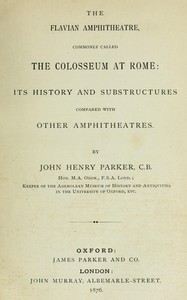
The archæology of Rome, Part 7 : $b The Flavian amphitheatre, commonly called the Colosseum
Written by John Henry Parker
Not rated yet — tap a star to review it
Chaptra reads alongside you — AI insights, chapter breakdowns and reader discussions for every book. Join free
About this book
"The Flavian Amphitheatre, Commonly Called The Colosseum at Rome: Its History and Substructures Compared with Other Amphitheatres" by John Henry Parker is a historical account written in the late 19th century. This work delves into the architectural and historical intricacies of the Colosseum, shedding light on its substructures, construction phase, and the various uses it has seen through the centuries. Parker's research, particularly following the significant excavations of 1874 and 1875, offers insight into the original designs and materials used in this iconic structure, positioning it within a broader context of Roman amphitheatres. The opening of the text introduces the findings from the recent excavations that revealed the foundational elements of the Colosseum and their earlier origins than previously believed. Parker outlines the many complexities involved in its construction, including the materials employed and the arrangement of passages and dens for animals used in performances. He challenges the traditional view that the structure was completed within a decade during the Flavian emperors' reign, illustrating instead that its development spanned over a century, intertwined with the fates of various emperors and monumental events in Roman history. Through meticulous detail, the author sets the stage for a comprehensive examination of not only the structure itself but also its role in the cultural and social life of ancient Rome.
Reading guide
Themes, characters and key ideas in The archæology of Rome, Part 7 : $b The Flavian amphitheatre, commonly called the Colosseum, written by Chaptra AI.
A reading guide for this book hasn't been written yet. Chaptra builds one the first time a reader opens it.
Chapter-by-chapter breakdowns, character arcs and the full thematic analysis come with a free account.
Discussions
No one has started one yet
No discussions yet
Be the first to start a discussion about this book!
Sign up to start the discussionReviews
No reviews yet
Be the first to review this book!