
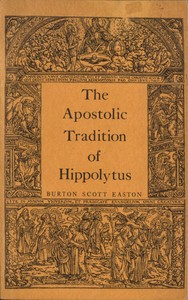
The Apostolic Tradition of Hippolytus: Translated into English with Introduction and Notes
Written by Antipope Hippolytus
Chaptra reads alongside you — AI insights, chapter breakdowns and reader discussions for every book. Join free
About this book
Reading guide
Themes, characters and key ideas in The Apostolic Tradition of Hippolytus: Translated into English with Introduction and Notes, written by Chaptra AI.
- about 15 hours
- advanced
- Authoritative
- Instructive
- Prescriptive
Hippolytus's "The Apostolic Tradition" is a pivotal early 3rd-century ecclesiastical manual, serving as a comprehensive guide to the structure, practices, and liturgical life of the nascent Christian church, particularly in Rome. Composed amidst growing doctrinal diversity and perceived heresies, the text articulates Hippolytus's vision for preserving apostolic purity and order. It meticulously details the rites of ordination for clergy, the process of catechumenate and baptism, and the prescribed prayers and customs for daily communal life. This work provides invaluable insights into the formative period of Christian ecclesiology, ritual, and governance, underscoring the early church's emphasis on unity, sanctity, and adherence to tradition.
“Let the bishop be ordained, having been chosen by all the people.”
Key themes
- Apostolic Tradition and Orthodoxy
- This is the overarching theme, as Hippolytus explicitly seeks to preserve and codify what he believes to be the true, inherited practices and doctrines from the apostles. The entire work is a defense against perceived innovations and heresies, emphasizing adherence to established norms for liturgy, governance, and moral conduct to maintain the purity of the faith.
- Ecclesiastical Order and Governance
- The text meticulously outlines the hierarchical structure of the church, defining the roles, responsibilities, and authority of bishops, presbyters, and deacons. It establishes a framework for church governance, emphasizing the importance of proper selection, ordination, and functioning of these offices for the stability and spiritual health of the community.
- Sacramental Life and Ritual Purity
- Hippolytus places immense importance on the proper administration and reception of the sacraments, particularly baptism and the Eucharist. The detailed rubrics for these rituals reflect a belief in their efficacy for salvation and the need for ritual purity and correct form to ensure their validity and spiritual power. The catechumenate process underscores the moral and intellectual preparation required for sacramental participation.
Worth discussing
How does Hippolytus's 'Apostolic Tradition' illuminate the concerns and priorities of the early Christian church in the 3rd century?
Chapter-by-chapter breakdowns, character arcs and the full thematic analysis come with a free account.
Discussions
No one has started one yet
Questions this book opens up
No discussions yet
Be the first to start a discussion about this book!
Sign up to start the discussionReviews
No reviews yet
Be the first to review this book!