
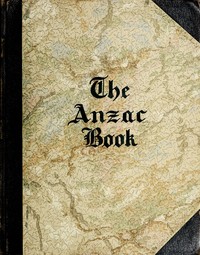
The Anzac Book
Written by Unknown author
Chaptra reads alongside you — AI insights, chapter breakdowns and reader discussions for every book. Join free
About this book
Reading guide
Themes, characters and key ideas in The Anzac Book, written by Chaptra AI.
- about 8 hours
- intermediate
- reflective
- poignant
- humorous
"The Anzac Book" is a unique anthology compiled by the soldiers of the Australian and New Zealand Army Corps (ANZAC) while serving on the Gallipoli peninsula during World War I, and published in 1916. It features a diverse collection of prose, poetry, illustrations, and photographs created by the troops themselves, offering an intimate and unfiltered glimpse into their daily lives, thoughts, and emotions amidst the brutal realities of trench warfare. Far from being a dry historical account, the book captures the resilience, humor, pathos, and camaraderie that defined the Anzac experience, solidifying a foundational narrative for Australian and New Zealand national identity. It serves as both a poignant historical document and a testament to the human spirit under extreme duress, reflecting the unique voice of the common soldier.
“"We are here to fight, not to write, but sometimes a pen is a stronger weapon than a bayonet."”
Key themes
- Comradeship and Brotherhood
- This is arguably the most dominant theme, highlighting the intense bonds forged between soldiers facing shared hardship and mortal danger. The book illustrates how loyalty, mutual support, and a sense of family developed among men from diverse backgrounds, becoming essential for survival and psychological well-being. This brotherhood transcended rank and social standing, forming the bedrock of the Anzac spirit.
- The Reality vs. Idealism of War
- The book starkly contrasts the romanticized notions of war (glory, heroism, noble sacrifice) often presented by politicians and the media with the brutal, mundane, and often absurd reality of trench warfare. Soldiers' writings frequently express a cynical, weary, or darkly humorous perspective on the conflict, revealing the disparity between expectation and experience.
- National Identity and the Anzac Legend
- The book is pivotal in the formation of the 'Anzac Legend,' portraying a distinct national character for Australians and New Zealanders. This identity is characterized by traits like mateship, egalitarianism, resourcefulness ('bushcraft'), a healthy skepticism towards authority, and understated bravery. The shared ordeal of Gallipoli, as documented in these pages, became a foundational myth for both nations, differentiating them from their colonial past.
Worth discussing
How does 'The Anzac Book' challenge or confirm conventional understandings of World War I and soldiering?
Chapter-by-chapter breakdowns, character arcs and the full thematic analysis come with a free account.
Discussions
No one has started one yet
Questions this book opens up
No discussions yet
Be the first to start a discussion about this book!
Sign up to start the discussionReviews
No reviews yet
Be the first to review this book!