
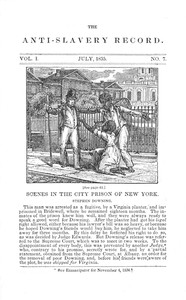
The Anti-Slavery Record, Volume 1, No. 7
Written by American Anti-Slavery Society
Chaptra reads alongside you — AI insights, chapter breakdowns and reader discussions for every book. Join free
About this book
Reading guide
Themes, characters and key ideas in The Anti-Slavery Record, Volume 1, No. 7, written by Chaptra AI.
- about 8 hours
- intermediate
- dark
- urgent
- somber
The Anti-Slavery Record, Volume 1, No. 7, published by the American Anti-Slavery Society in July 1835, serves as a powerful historical document advocating for the immediate abolition of slavery. This volume compiles articles and reports detailing the brutal realities and profound injustices faced by enslaved individuals in America, acting as a crucial platform for anti-slavery advocacy. It features harrowing narratives, such as those of fugitive slaves Stephen Downing and Francis Smith, who endured abduction and continued oppression despite their pursuit of freedom. The publication vehemently argues that slavery is a fundamental sin, stripping individuals of their humanity and rights, and critiques colonization efforts as disingenuous solutions. Through fervent appeals and compelling testimonies, it underscores the urgent moral imperative for abolition and the rectification of these severe human rights violations.
“Slavery is fundamentally a sin, stripping individuals of their humanity and rights.”
Key themes
- The Injustice and Sinfulness of Slavery
- This is the overarching theme, arguing that slavery is not merely a political or economic issue, but a profound moral evil and a sin against God and humanity. It systematically strips individuals of their inherent rights, dignity, and freedom.
- The Perilous Pursuit of Freedom
- This theme explores the immense dangers and ongoing struggles faced by enslaved individuals attempting to gain freedom, highlighting that even 'fugitive' status did not guarantee safety or true liberty.
- The Power of Testimony and Advocacy
- This theme highlights the publication's belief in the power of personal narratives and organized advocacy to expose injustice, move public opinion, and effect social change. Testimonies humanize the abstract issue of slavery.
Worth discussing
How does 'The Anti-Slavery Record' use personal testimonies to build its argument against slavery? What is the impact of hearing individual stories?
Chapter-by-chapter breakdowns, character arcs and the full thematic analysis come with a free account.
Discussions
No one has started one yet
Questions this book opens up
No discussions yet
Be the first to start a discussion about this book!
Sign up to start the discussionReviews
No reviews yet
Be the first to review this book!