
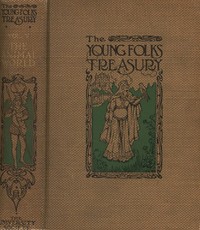
The Animal World, A Book of Natural History: Young Folks' Treasury (Volume V)
Written by Theodore Wood
Chaptra reads alongside you — AI insights, chapter breakdowns and reader discussions for every book. Join free
About this book
Read it with a club
Small groups reading the same books and talking as they go.


News
- 4 members
- 1,813 discussions
- Active Sep 11
Read The Animal World, A Book of Natural History: Young Folks' Treasury (Volume V) alongside people who are reading it too.
Also here: News Bulletin, Just Joking....
Chaptra Prime — paid clubs, every club feature, and unlimited reading support, for $5 a month or $60 once.
See PrimeReading guide
Themes, characters and key ideas in The Animal World, A Book of Natural History: Young Folks' Treasury (Volume V), written by Chaptra AI.
- about 10 hours
- intermediate
- educational
- informative
- curious
The Animal World, A Book of Natural History by Theodore Wood is an early 20th-century scientific publication designed to introduce young readers to the wonders of animal life. As Volume V of the 'Young Folks' Treasury,' it meticulously explores various animal species, detailing their characteristics, habitats, and behaviors with an emphasis on fostering scientific curiosity and appreciation for nature. The book commences with an introduction highlighting the value of studying natural history, then delves into specific animal groups, beginning with apes and gibbons, describing their physical traits and complex behaviors. Through engaging and accessible language, Wood effectively conveys the beauty and intricate complexity of the natural world, laying a foundational understanding for future scientific exploration.
“The study of Natural History is not merely a delightful pastime, but a gateway to understanding the profound wisdom and intricate design of creation.”
Key themes
- Appreciation for Nature
- This theme is central to the entire book, aiming to instill in young readers a deep sense of wonder, respect, and admiration for the diversity and complexity of the natural world. Wood consistently highlights the beauty, intricate design, and unique adaptations of various animal species, encouraging a sympathetic and curious engagement with wildlife.
- Diversity of Life
- A core thematic pillar, the book systematically showcases the incredible variety of animal species across different habitats and classifications. It highlights the unique features, adaptations, and ecological niches of each animal group discussed, emphasizing the richness and breadth of Earth's biodiversity.
- Importance of Observation and Curiosity
- Wood's book actively promotes the scientific method, particularly the foundational elements of careful observation and an inquisitive mindset. It encourages young readers to not just passively absorb facts but to actively engage with the world around them, noting details and questioning 'how' and 'why' animals behave as they do.
Worth discussing
How does Wood's approach to natural history compare to modern educational methods for children?
Chapter-by-chapter breakdowns, character arcs and the full thematic analysis come with a free account.
Discussions
No one has started one yet
Questions this book opens up
No discussions yet
Be the first to start a discussion about this book!
Sign up to start the discussionReviews
No reviews yet
Be the first to review this book!