
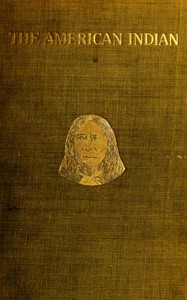
The American Indian in the United States, Period 1850-1914: ... The Present Condition of the American Indian; His Political History and Other Topics; A Plea for Justice
Written by Warren K. (Warren King) Moorehead
Chaptra reads alongside you — AI insights, chapter breakdowns and reader discussions for every book. Join free
About this book
Reading guide
Themes, characters and key ideas in The American Indian in the United States, Period 1850-1914: ... The Present Condition of the American Indian; His Political History and Other Topics; A Plea for Justice, written by Chaptra AI.
- about 15 hours
- advanced
- serious
- informative
- advocacy
Warren K. Moorehead's "The American Indian in the United States, Period 1850-1914" offers a crucial early 20th-century examination of the profound challenges faced by Native Americans during a transformative era. Eschewing purely academic or historical studies, Moorehead presents a humanitarian plea, urging American society to acknowledge and address the ongoing exploitation and disempowerment of Indigenous peoples. The book details the complex shift from traditional tribal life to the pressures of individual citizenship, highlighting the loss of ancestral lands and cultural identity. Ultimately, Moorehead advocates for a more just and informed societal response, asserting that the responsibility for the future well-being of Native communities rests with the broader American populace.
“"The present condition of the American Indian demands not merely scientific study, but a profound humanitarian response from the American people."”
Key themes
- Assimilation vs. Cultural Preservation
- This theme explores the U.S. government's pervasive policy of forcing Native Americans to abandon their traditional cultures, languages, religions, and communal structures in favor of adopting American individualistic and capitalist norms. Moorehead critiques the devastating impact of these assimilation efforts, such as the Dawes Act, on Indigenous identity, community cohesion, and spiritual practices, highlighting the profound loss and psychological trauma inflicted by these policies.
- Justice and Humanitarianism
- Central to Moorehead's work is a powerful plea for justice, advocating for a moral and ethical approach to Native American affairs rather than purely economic or political expediency. He argues for understanding Indigenous peoples' suffering through a lens of compassion and fairness, challenging the prevailing indifference or hostility of the dominant society. This theme underscores the ethical responsibility of a nation to its marginalized populations and the need to rectify historical wrongs.
- Land Rights and Dispossession
- The systematic seizure and reallocation of Native American ancestral lands is a critical theme. Moorehead details how government policies, treaties, and their violations led to the profound dispossession of Indigenous peoples, stripping them of their economic base, cultural ties to the land, and self-sufficiency. This theme highlights the material and spiritual losses incurred by Native communities due to colonial expansion and capitalist greed.
Worth discussing
How does Moorehead's call for a 'humanitarian approach' differ from previous scientific or anthropological studies of Native Americans?
Chapter-by-chapter breakdowns, character arcs and the full thematic analysis come with a free account.
Discussions
No one has started one yet
Questions this book opens up
No discussions yet
Be the first to start a discussion about this book!
Sign up to start the discussionReviews
No reviews yet
Be the first to review this book!