
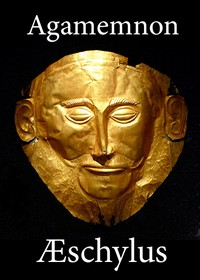
About this book
Reading guide
Themes, characters and key ideas in The Agamemnon of Aeschylus: Translated into English Rhyming Verse with Explanatory Notes, written by Chaptra AI.
- about 8 hours
- advanced
- dark
- foreboding
- tragic
Aeschylus's 'The Agamemnon' is a foundational classical Greek tragedy, the first part of the 'Oresteia' trilogy, which plunges into the cursed House of Atreus. The play chronicles King Agamemnon's triumphant yet foreboding return from the Trojan War, only to face the calculated vengeance of his wife, Clytemnestra, for his sacrifice of their daughter, Iphigenia. Through a tapestry of prophetic warnings, moral dilemmas, and the inexorable pull of fate, the narrative builds to a chilling climax of betrayal and murder. It explores profound themes of justice, the cycle of violence, and the consequences of hubris, setting the stage for subsequent retribution and the eventual establishment of a new form of justice.
“From the gods I ask a release from this anguish, this long watch I've kept, for a year now, watching from the roof of Atreus, propped on my elbow, like a dog.”
Key themes
- Justice vs. Revenge
- The play profoundly explores the ambiguous and often indistinguishable nature of justice and revenge. Clytemnestra believes her murder of Agamemnon is an act of justice for Iphigenia's sacrifice, yet it is also a vengeful act that perpetuates the cycle of violence. The play questions whether human justice can ever truly be 'just' when motivated by personal grievance.
- Cycle of Violence / Blood Guilt
- Central to the play is the ancestral curse on the House of Atreus, illustrating how one violent act begets another, trapping generations in an inescapable web of retribution. From Thyestes's feast to Iphigenia's sacrifice and Agamemnon's murder, each act of bloodshed demands further vengeance, highlighting the destructive nature of unchecked familial and societal vendettas.
- Hubris and its Consequences
- Agamemnon's hubris, particularly his decision to walk on the crimson tapestries, symbolizes his excessive pride and disregard for divine warnings. This act, combined with his earlier sacrifice of Iphigenia and his actions in the war, marks him as deserving of divine punishment, even if the instrument of that punishment is human.
Worth discussing
Discuss the concept of justice as presented in 'The Agamemnon.' Is Clytemnestra's act of revenge justifiable, or is it merely another link in the cycle of violence?
Chapter-by-chapter breakdowns, character arcs and the full thematic analysis come with a free account.
Discussions
No one has started one yet
Questions this book opens up
No discussions yet
Be the first to start a discussion about this book!
Sign up to start the discussionReviews
No reviews yet
Be the first to review this book!