
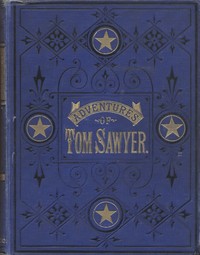
The Adventures of Tom Sawyer, Complete
Written by Mark Twain
Chaptra reads alongside you — AI insights, chapter breakdowns and reader discussions for every book. Join free
About this book
Read it with a club
Small groups reading the same books and talking as they go.


News
- 4 members
- 1,813 discussions
- Active Sep 11
Read The Adventures of Tom Sawyer, Complete alongside people who are reading it too.
Also here: News Bulletin, Just Joking....
Chaptra Prime — paid clubs, every club feature, and unlimited reading support, for $5 a month or $60 once.
See PrimeReading guide
Themes, characters and key ideas in The Adventures of Tom Sawyer, Complete, written by Chaptra AI.
- about 8 hours
- intermediate
- humorous
- adventurous
- nostalgic
Mark Twain's "The Adventures of Tom Sawyer" chronicles the mischievous yet morally developing escapades of a young boy, Tom Sawyer, in the fictional antebellum town of St. Petersburg, Missouri. Set along the Mississippi River, the novel follows Tom as he navigates the complexities of childhood, including first loves, friendships, and thrilling adventures that range from playing pirates to witnessing a murder. Through a series of humorous and sometimes poignant events, Tom learns valuable lessons about responsibility, justice, and the stark realities of the adult world, all while striving for excitement and recognition. The narrative beautifully captures the spirit of boyhood and the idyllic yet subtly darker undertones of a bygone era in America.
“"Work consists of whatever a body is OBLIGED to do, and Play consists of whatever a body is not OBLIGED to do."”
Key themes
- Childhood and Innocence
- The novel vividly portrays the joys, fears, and imaginative world of childhood. Tom's adventures, games, and romantic notions are central to this theme, celebrating the freedom and boundless imagination of youth. However, this innocence is gradually eroded as Tom confronts the harsh realities of the adult world, particularly through witnessing murder and facing moral dilemmas.
- Morality and Justice
- The novel deeply explores questions of right and wrong, conscience, and the administration of justice. Tom struggles with his guilt over witnessing the murder and allowing Muff Potter to be wrongly accused. His decision to testify represents a significant moral awakening, highlighting the importance of truth and courage. The eventual fate of Injun Joe also raises questions about poetic justice versus formal legal processes.
- Freedom vs. Civilization
- This theme is most prominently embodied by Huckleberry Finn, who represents untamed freedom, living outside the constraints of conventional society. Tom, while desiring adventure and escape, is ultimately drawn back to the comforts and recognition offered by civilization. The tension between the wild, unburdened life and the rules, responsibilities, and benefits of community is a central dynamic.
Worth discussing
How does Tom's moral compass develop throughout the novel, particularly after witnessing the murder?
Chapter-by-chapter breakdowns, character arcs and the full thematic analysis come with a free account.
Discussions
No one has started one yet
Questions this book opens up
No discussions yet
Be the first to start a discussion about this book!
Sign up to start the discussionReviews
No reviews yet
Be the first to review this book!