
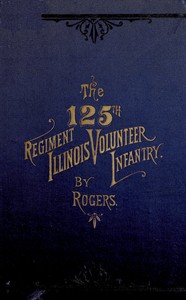
The 125th Regiment, Illinois Volunteer Infantry: Attention Batallion!
Written by Robert M. Rogers
Chaptra reads alongside you — AI insights, chapter breakdowns and reader discussions for every book. Join free
About this book
Reading guide
Themes, characters and key ideas in The 125th Regiment, Illinois Volunteer Infantry: Attention Batallion!, written by Chaptra AI.
- about 8 hours
- intermediate
- Historical
- Reflective
- Sincere
Robert M. Rogers' "The 125th Regiment, Illinois Volunteer Infantry: Attention Battalion!" offers a poignant, firsthand historical account of a Civil War regiment, penned in the late 19th century. As a soldier within the 125th Illinois, Rogers chronicles their journey from initial organization and mustering into service through their early campaigns. The narrative deeply explores the profound camaraderie forged among soldiers from farming communities, detailing their adjustments to military life, struggles with equipment, and the vivid emotional landscape of their departure from home. It serves as a sincere and nostalgic testament to the bravery, dedication, and sacrifices of these volunteers, setting the stage for the trials of battle yet to come.
“"It was a strange brotherhood that formed among us, men from the plow and forge, now bound by the uniform and the looming shadow of war."”
Key themes
- Camaraderie and Brotherhood
- This theme is central to the narrative, highlighting how shared experiences, hardships, and moments of levity forge unbreakable bonds among soldiers. Rogers emphasizes the collective identity and mutual support that arises from men, many from similar farming backgrounds, facing the daunting prospects of war together. It explores how these relationships become a vital source of strength and comfort amidst military life.
- Memory and Historical Preservation
- The author's explicit intention to document the regiment's experiences underscores this theme. Written decades after the war, the book is an act of remembering and honoring, ensuring that the sacrifices and stories of the 125th Illinois are not lost to history. It explores the power of personal narrative in shaping collective memory and the importance of firsthand accounts in historical understanding.
- The Reality of War (and its anticipation)
- This theme contrasts the abstract idea of war with the concrete, often mundane, and challenging realities of military life. Rogers details the difficulties of adjusting to army routines, the inadequacies of equipment, and the constant psychological weight of impending conflict. It delves into the transformation from civilian to soldier, highlighting the loss of innocence and the harsh lessons learned even before battle is joined.
Worth discussing
How does Rogers' firsthand account differ from a modern historian's analysis of the Civil War? What are the strengths and weaknesses of each?
Chapter-by-chapter breakdowns, character arcs and the full thematic analysis come with a free account.
Discussions
No one has started one yet
Questions this book opens up
No discussions yet
Be the first to start a discussion about this book!
Sign up to start the discussionReviews
No reviews yet
Be the first to review this book!