
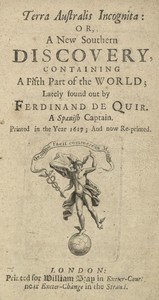
Terra Australis Incognita; Or, A New Southern Discovery, containing A Fifth Part of the World
Written by Pedro Fernandes de Queirós
Chaptra reads alongside you — AI insights, chapter breakdowns and reader discussions for every book. Join free
About this book
Reading guide
Themes, characters and key ideas in Terra Australis Incognita; Or, A New Southern Discovery, containing A Fifth Part of the World, written by Chaptra AI.
- about 6 hours
- intermediate
- Exploratory
- Persuasive
- Ambitious
Pedro Fernandes de Queirós's "Terra Australis Incognita" is an early 17th-century historical account detailing his exploratory voyages in search of the unknown southern continent. The book serves as a passionate petition to the King of Spain, advocating for the colonization of these newly encountered lands, which Queirós describes as fertile and rich in natural resources. It vividly portrays the landscapes, indigenous peoples, and potential wealth, reflecting the fervent motivations of European explorers during the Age of Discovery. Queirós emphasizes the strategic, economic, and spiritual benefits of establishing Spanish colonies, driven by a desire for imperial expansion and Christian evangelization.
“A Fifth Part of the WORLD; Lately found out by FERDINAND DE QUIR, A Spanish Captain.”
Key themes
- Exploration and Discovery
- This theme underpins the entire book, detailing the human drive to venture into the unknown and chart new territories. Queirós's account is a testament to the era's fascination with geographical expansion and the pursuit of the 'Terra Australis Incognita,' driven by curiosity, ambition, and the allure of what lies beyond known horizons.
- Colonialism and Imperialism
- This is the central political and economic thrust of Queirós's petition. The book overtly advocates for the establishment of Spanish colonies in the newly discovered lands, reflecting the era's pervasive belief in European supremacy and the perceived right to claim and exploit foreign territories for national glory, wealth, and strategic advantage.
- Resource Exploitation and Economic Gain
- A primary motivation for the proposed colonization is the immense economic potential of the new lands. Queirós meticulously details the natural resources—silver, pearls, fruits, spices—that could enrich the Spanish Crown, underscoring the mercantilist economic policies and the insatiable demand for wealth that drove European expansion and global trade networks.
Worth discussing
How does Queirós's account reflect the prevailing European mindset during the Age of Discovery?
Chapter-by-chapter breakdowns, character arcs and the full thematic analysis come with a free account.
Discussions
No one has started one yet
Questions this book opens up
No discussions yet
Be the first to start a discussion about this book!
Sign up to start the discussionReviews
No reviews yet
Be the first to review this book!