
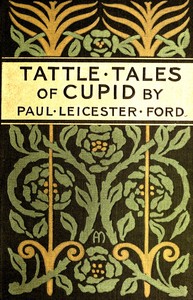
Tattle-tales of Cupid
Written by Paul Leicester Ford
Chaptra reads alongside you — AI insights, chapter breakdowns and reader discussions for every book. Join free
About this book
Reading guide
Themes, characters and key ideas in Tattle-tales of Cupid, written by Chaptra AI.
- about 8 hours
- intermediate
- humorous
- romantic
- whimsical
Paul Leicester Ford's "Tattle-tales of Cupid" is a charming late 19th-century collection of stories, framed by the whimsical conversations of stable horses observing their human companions. Led by the venerable war-horse Reveille, these equine philosophers offer a unique, often humorous, perspective on the complexities of human love, relationships, and societal expectations. Through their insightful, if sometimes bemused, discussions, the book explores various romantic entanglements, misunderstandings, and the enduring quest for affection. It blends light-hearted sentiment with gentle social commentary, inviting readers to consider human foibles from an unexpected vantage point. The narrative promises a delightful exploration of the heart's intricacies, seen through the eyes of intelligent, anthropomorphic observers.
“Specific quotes are not available from the provided summary. However, one would expect witty observations on human nature and romantic foibles, perhaps delivered with a touch of equine wisdom or bemusement.”
Key themes
- Love and Relationships
- This is the central theme, explored through various human romantic entanglements and misunderstandings. The horses observe different forms of love—courtship, unrequited affection, marital bliss, and the challenges of romantic pursuit—offering a detached yet insightful commentary on its complexities and emotional impact.
- Perspective and Perception
- The book brilliantly uses the horses' unique vantage point to offer a fresh perspective on human behavior. Their literal interpretations and animalistic logic often expose the absurdities and hidden truths of human social conventions and emotional intricacies, highlighting how different beings perceive the same events.
- Societal Conventions and Expectations
- Set in the late 19th century, the stories implicitly explore the rigid social codes, class distinctions, and gender roles that shaped romantic relationships of the era. The horses' innocent observations often inadvertently highlight the artificiality and constraint these conventions placed on individuals seeking love and happiness.
Worth discussing
How does the anthropomorphic perspective of the horses alter our understanding of human relationships and societal norms?
Chapter-by-chapter breakdowns, character arcs and the full thematic analysis come with a free account.
Discussions
No one has started one yet
Questions this book opens up
No discussions yet
Be the first to start a discussion about this book!
Sign up to start the discussionReviews
No reviews yet
Be the first to review this book!