
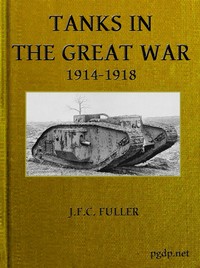
Tanks in the Great War, 1914-1918
Written by J. F. C. (John Frederick Charles) Fuller
Chaptra reads alongside you — AI insights, chapter breakdowns and reader discussions for every book. Join free
About this book
Reading guide
Themes, characters and key ideas in Tanks in the Great War, 1914-1918, written by Chaptra AI.
- about 12 hours
- advanced
- Informative
- Analytical
- Historical
J. F. C. Fuller's "Tanks in the Great War, 1914-1918" offers a foundational historical account of the tank's emergence and impact during World War I. Written by a pivotal figure in the British Tank Corps, the book chronicles the technical evolution, strategic deployment, and operational challenges faced by this revolutionary weapon. Fuller blends detailed technical analysis with personal anecdotes, tracing the tank's journey from a nascent concept to a decisive force on the Western Front. It serves as both a historical record and a testament to the ingenuity and sacrifice of those who developed and employed armored warfare. The work ultimately illuminates how the tank irrevocably altered the landscape of modern combat.
“"The tank was not merely a new weapon; it was a new philosophy of war."”
Key themes
- Military Innovation and Adaptation
- This is the central theme, exploring the arduous process of introducing a radical new weapon like the tank into a conservative military establishment. Fuller details the technical challenges, the bureaucratic resistance, and the iterative process of design, deployment, and redesign based on battlefield experience. It highlights how necessity drives invention and how armies must adapt to new technologies or face obsolescence.
- The Human Element in Warfare and Technology
- Despite the focus on machines, Fuller consistently emphasizes the role of individuals: the visionaries who conceived the tank, the engineers who built it, the factory workers who produced it, and the soldiers who bravely operated it under extreme conditions. He shows that technology is only as effective as the people behind it, highlighting their courage, ingenuity, and sacrifices.
- Strategic Foresight and Doctrine
- Fuller, as a prominent military theorist, uses the tank's story to explore the importance of strategic foresight—the ability to anticipate future warfare and develop appropriate doctrines. He critiques the initial haphazard deployment of tanks and advocates for a more coherent, massed approach, laying the groundwork for future armored warfare theory.
Worth discussing
How did the development of the tank exemplify the broader challenges and triumphs of military innovation during World War I?
Chapter-by-chapter breakdowns, character arcs and the full thematic analysis come with a free account.
Discussions
No one has started one yet
Questions this book opens up
No discussions yet
Be the first to start a discussion about this book!
Sign up to start the discussionReviews
No reviews yet
Be the first to review this book!