
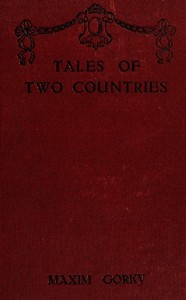
Tales of Two Countries
Written by Maksim Gorky
Chaptra reads alongside you — AI insights, chapter breakdowns and reader discussions for every book. Join free
About this book
Reading guide
Themes, characters and key ideas in Tales of Two Countries, written by Chaptra AI.
- about 10 hours
- intermediate
- somber
- poignant
- reflective
Maksim Gorky's "Tales of Two Countries" is a compelling collection of early 20th-century narratives that vividly portray the human condition across Italy and Russia. Through the lives of common people, from struggling laborers to aspiring artists, Gorky explores universal themes of hardship, resilience, love, and the enduring search for beauty amidst despair. The stories serve as both intimate character studies and broader social commentaries, highlighting the profound impact of environment and societal structures on individual destinies. This volume masterfully interweaves personal struggles with a keen observation of social issues, inviting readers into rich emotional landscapes shaped by Gorky's distinctive blend of stark realism and poetic insight.
“"The mountain tunnel does not care for human tears, only for human sweat and blood."”
Key themes
- Social Injustice and Class Struggle
- This theme is central to Gorky's work, portraying the harsh realities of poverty, exploitation, and the vast disparities between social classes. He critiques the systems that perpetuate suffering, particularly among laborers and the marginalized, highlighting the human cost of industrialization and societal neglect.
- Human Resilience and Dignity
- Despite the pervasive hardship, Gorky consistently emphasizes the enduring strength, spirit, and dignity of his characters. This theme explores how individuals find ways to persevere, maintain their humanity, and even seek moments of beauty or connection amidst overwhelming adversity.
- The Search for Beauty and Meaning
- This theme explores the human imperative to find aesthetic pleasure, emotional resonance, or a sense of purpose, even when surrounded by squalor and despair. Gorky often contrasts the harsh external world with the rich inner lives of his characters, who yearn for something more profound.
Worth discussing
How do the Italian and Russian settings influence the stories, and what universal themes emerge despite cultural differences?
Chapter-by-chapter breakdowns, character arcs and the full thematic analysis come with a free account.
Discussions
No one has started one yet
Questions this book opens up
No discussions yet
Be the first to start a discussion about this book!
Sign up to start the discussionReviews
No reviews yet
Be the first to review this book!