
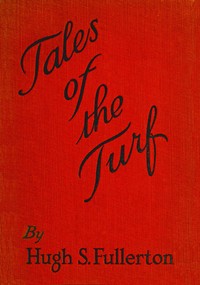
Tales of the turf
Written by Hugh S. (Hugh Stuart) Fullerton
Chaptra reads alongside you — AI insights, chapter breakdowns and reader discussions for every book. Join free
About this book
Reading guide
Themes, characters and key ideas in Tales of the turf, written by Chaptra AI.
- about 8 hours
- intermediate
- Exciting
- Dramatic
- Nostalgic
Hugh S. Fullerton's "Tales of the Turf" is a captivating collection of short stories that delves into the vibrant and often dramatic world of horse racing in early 20th-century America. Through a series of character-driven narratives, the book explores the lives of jockeys, trainers, owners, gamblers, and the magnificent horses themselves, painting a vivid picture of the sport's allure, its inherent risks, and the complex human emotions it evokes. Fullerton, a renowned sportswriter, brings an insider's perspective, blending journalistic detail with compelling storytelling to capture the triumphs, tragedies, and enduring spirit found on and around the racetrack. It serves as both entertainment and a historical snapshot of a bygone era of American sports.
“The turf, my friend, is where a man truly learns the measure of his soul, and the limits of his luck.”
Key themes
- Luck vs. Skill and Fate
- This theme explores the unpredictable nature of horse racing, where victory can hinge on a fraction of a second, the weather, or an unexpected stumble. It delves into whether success is the result of a jockey's skill, a trainer's strategy, or simply the capricious hand of fate, often suggesting a blend of all three.
- The Human-Animal Bond
- This theme highlights the profound and often unspoken connection between humans (jockeys, trainers, stable hands) and the horses. It explores the empathy, understanding, and mutual respect that can develop, showcasing the horses not just as tools but as sentient beings with their own personalities and spirits.
- Ambition, Greed, and Corruption
- This theme examines the darker side of the racing world, where the pursuit of wealth and glory can lead to unethical practices, fixed races, and moral compromises. It explores how ambition can corrupt individuals and the integrity of the sport itself.
Worth discussing
How does Fullerton use the world of horse racing as a microcosm for broader societal issues like class, ambition, and morality?
Chapter-by-chapter breakdowns, character arcs and the full thematic analysis come with a free account.
Discussions
No one has started one yet
Questions this book opens up
No discussions yet
Be the first to start a discussion about this book!
Sign up to start the discussionReviews
No reviews yet
Be the first to review this book!