
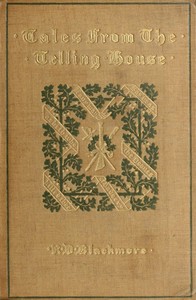
Tales from the Telling-House
Written by R. D. (Richard Doddridge) Blackmore
Chaptra reads alongside you — AI insights, chapter breakdowns and reader discussions for every book. Join free
About this book
Reading guide
Themes, characters and key ideas in Tales from the Telling-House, written by Chaptra AI.
- about 8 hours
- intermediate
- adventurous
- somber
- resilient
R. D. Blackmore's "Tales from the Telling-House" is a late 19th-century collection of stories deeply rooted in the rugged North Devon and Exmoor landscapes. It weaves together personal drama, local folklore, and moral dilemmas, often centering on characters who grapple with societal pressures and external dangers. The collection's opening story introduces Sylvia Ford and her father, Sylvester, whose simple life is shattered by the violent outlaw gang known as the Doones. This initial narrative sets a tone of loss, resilience, and the enduring human spirit against overwhelming odds, promising tales of adventure, moral complexity, and the harsh realities of life in a bygone era.
“"The wild beauty of Exmoor holds both solace and sorrow, a mirror to the hearts of those who dwell upon her rugged breast."”
Key themes
- Loss and Resilience
- The collection deeply explores the profound impact of loss, particularly through Sylvia's experience of her father's murder, and the subsequent human capacity for resilience in overcoming grief and adversity. It examines how characters adapt and find strength in the face of tragedy.
- Justice vs. Lawlessness
- A central conflict arises from the struggle between the established societal norms and the pervasive lawlessness represented by the Doones. The stories likely explore the pursuit of justice, the limitations of the law, and the moral dilemmas faced by those seeking retribution or protection.
- Family and Honor
- The stories likely emphasize the importance of family bonds, loyalty, and the concept of honor in a traditional rural society. The actions of characters are often driven by a desire to protect their family or uphold their honor, even in the face of great danger.
Worth discussing
How does the Exmoor landscape function as more than just a setting, and what role does it play in shaping the characters' destinies?
Chapter-by-chapter breakdowns, character arcs and the full thematic analysis come with a free account.
Discussions
No one has started one yet
Questions this book opens up
No discussions yet
Be the first to start a discussion about this book!
Sign up to start the discussionReviews
No reviews yet
Be the first to review this book!