
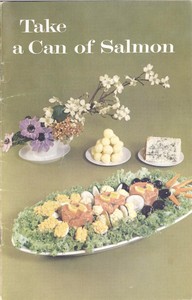
Take a Can of Salmon
Written by United States. Bureau of Commercial Fisheries
Chaptra reads alongside you — AI insights, chapter breakdowns and reader discussions for every book. Join free
About this book
Reading guide
Themes, characters and key ideas in Take a Can of Salmon, written by Chaptra AI.
- about 2 hours
- beginner
- practical
- instructive
- encouraging
"Take a Can of Salmon" is a mid-20th-century culinary guide published by the United States. Bureau of Commercial Fisheries, designed to promote the versatile and nutritional benefits of canned salmon. The booklet presents an extensive collection of recipes, ranging from simple appetizers like Salmon Dip to more elaborate main courses such as Salmon Tetrazzini, demonstrating the ingredient's adaptability for both everyday meals and special occasions. Beyond its practical recipes, the publication emphasizes the economic advantages and health value of salmon, positioning it as an accessible and wholesome food source for American families. It reflects a period when government agencies actively encouraged specific dietary choices and resourcefulness in home cooking. Ultimately, the book serves as both a practical recipe compilation and a persuasive argument for incorporating canned salmon into the national diet.
“Take a can of salmon, and you take a can of good health!”
Key themes
- Economy and Resourcefulness
- The book consistently highlights canned salmon as an affordable and readily available protein source, making it an ideal choice for budget-conscious families. It implicitly encourages readers to be resourceful in their meal planning, utilizing a shelf-stable ingredient to create diverse dishes without excessive cost. This theme was particularly relevant in post-WWII America, emphasizing practical home economics.
- Convenience and Ease of Preparation
- The book consistently highlights the quick and simple nature of cooking with canned salmon. This theme caters to the mid-century desire for efficiency in the kitchen, recognizing the increasing demands on the homemaker's time. Many recipes are designed for minimal effort and rapid assembly, making salmon an attractive option for busy households.
- Health and Nutrition
- A core message of the booklet is the promotion of salmon's nutritional benefits, including its protein content, healthy fats (omega-3s), and vitamins. The Bureau of Commercial Fisheries aims to educate the public on how incorporating salmon into their diet can contribute to overall well-being, framing it as a healthy choice for growing families.
Worth discussing
How does 'Take a Can of Salmon' reflect the culinary trends and domestic challenges of mid-20th-century America?
Chapter-by-chapter breakdowns, character arcs and the full thematic analysis come with a free account.
Discussions
No one has started one yet
Questions this book opens up
No discussions yet
Be the first to start a discussion about this book!
Sign up to start the discussionReviews
No reviews yet
Be the first to review this book!