
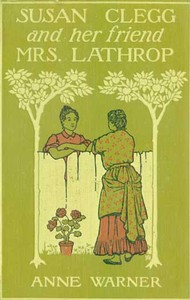
Susan Clegg and Her Friend Mrs. Lathrop
Written by Anne Warner
Chaptra reads alongside you — AI insights, chapter breakdowns and reader discussions for every book. Join free
About this book
Reading guide
Themes, characters and key ideas in Susan Clegg and Her Friend Mrs. Lathrop, written by Chaptra AI.
- about 6 hours
- intermediate
- humorous
- poignant
- warm
Anne Warner's "Susan Clegg and Her Friend Mrs. Lathrop" is an early 20th-century humorous novel centered on the lives of two close friends, Susan Clegg and Mrs. Lathrop. The story primarily follows Susan, a single woman devoted to caring for her ailing, bedridden father, as she grapples with her desire for companionship and marriage. Through witty conversations and poignant observations, the novel explores Susan's humorous musings and determined yet resigned approach to finding a husband after her father's passing. It beautifully portrays the warmth and candidness of female friendship, setting the stage for an exploration of duty, love, and the pursuit of personal happiness amid societal expectations.
“"A woman's life is a long string of duties, and if there's a pearl of happiness on it, it's usually tied to a knot of obligation."”
Key themes
- Duty vs. Personal Happiness
- This central theme explores the conflict between fulfilling one's obligations, particularly family duty (Susan caring for her father), and pursuing individual desires for love, companionship, and a life of one's own. Susan's humorous yet often melancholic musings highlight the tension inherent in balancing these competing forces.
- Female Friendship and Support
- The novel deeply explores the vital role of female friendship in providing emotional support, candid advice, and a sense of community. The bond between Susan and Mrs. Lathrop is a cornerstone, offering Susan an outlet for her thoughts, fears, and hopes, and providing a powerful counterpoint to her isolation.
- Societal Expectations and Marriage
- The novel subtly critiques and explores the societal pressures placed upon women in the early 20th century, particularly concerning marriage as a primary goal and the expectation of daughters to care for aging parents. Susan's musings reflect both her internalization of these expectations and her humorous, sometimes defiant, grappling with them.
Worth discussing
How does Susan Clegg embody the societal expectations for women in the early 20th century, and in what ways does she challenge them?
Chapter-by-chapter breakdowns, character arcs and the full thematic analysis come with a free account.
Discussions
No one has started one yet
Questions this book opens up
No discussions yet
Be the first to start a discussion about this book!
Sign up to start the discussionReviews
No reviews yet
Be the first to review this book!