
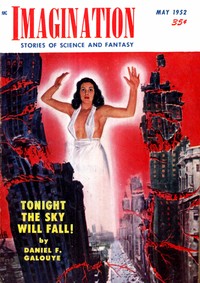
Survivors
Written by Arthur Dekker Savage
Chaptra reads alongside you — AI insights, chapter breakdowns and reader discussions for every book. Join free
About this book
Reading guide
Themes, characters and key ideas in Survivors, written by Chaptra AI.
- about 8 hours
- intermediate
- dark
- philosophical
- melancholy
Arthur Dekker Savage's "Survivors" is an early 1950s science fiction novella chronicling the aftermath of a devastating atomic war. It follows two disparate individuals, Oluf, a pragmatic hunter, and Bowron, a reflective former teacher, as they navigate a desolate post-apocalyptic landscape. Their journey and dialogues explore the fundamental tension between primal survival instincts and the remnants of intellectual civilization. The novella ultimately serves as a poignant reflection on humanity's enduring resilience, the vital role of companionship, and the profound need for meaning and storytelling in the face of utter devastation.
“"The world had ended, not with a bang of finality, but with a whimper of scattered ashes and enduring silence." (Inferred, reflecting the aftermath)”
Key themes
- Survival and Adaptation
- This theme explores the multifaceted nature of survival in a post-apocalyptic world. It contrasts the physical, instinctive adaptation necessary for immediate existence (Oluf) with the intellectual and cultural adaptation required for humanity's long-term continuation (Bowron). The novella questions what it truly means to survive: merely to breathe, or to retain one's humanity and purpose.
- The Value of Knowledge and History
- This theme delves into the significance of preserving human knowledge, culture, and history after the collapse of civilization. Bowron embodies this struggle, representing the human need to understand the past and learn from it. The novella examines whether such knowledge is a burden or a vital component for rebuilding and preventing future catastrophes.
- Human Connection and Companionship
- Despite the focus on individual survival, the novella strongly emphasizes the profound human need for connection and companionship. The evolving relationship between Oluf and Bowron demonstrates how shared experience, dialogue, and mutual support can provide meaning and hope in an otherwise desolate existence, transcending their initial differences.
Worth discussing
How do Oluf and Bowron represent different aspects of humanity's response to catastrophe? Which approach do you think is more vital for long-term survival?
Chapter-by-chapter breakdowns, character arcs and the full thematic analysis come with a free account.
Discussions
No one has started one yet
Questions this book opens up
No discussions yet
Be the first to start a discussion about this book!
Sign up to start the discussionReviews
No reviews yet
Be the first to review this book!