
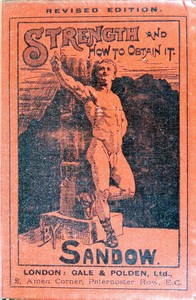
Strength and How to Obtain It
Written by Eugen Sandow
Chaptra reads alongside you — AI insights, chapter breakdowns and reader discussions for every book. Join free
About this book
Reading guide
Themes, characters and key ideas in Strength and How to Obtain It, written by Chaptra AI.
- about 8 hours
- intermediate
- instructive
- motivational
- earnest
Eugen Sandow's "Strength and How to Obtain It" is a foundational late 19th-century guide to physical culture, advocating for a holistic approach to strength training and overall well-being. Sandow champions the idea that strength is universally desirable and attainable, transcending mere muscular size to encompass health, vitality, and mental fortitude. The book combines philosophical discussions on the importance of physical development with practical methods for achieving it, emphasizing willpower and systematic exercise. It positions physical culture as distinct from competitive athletics, aiming to make its principles accessible to individuals of all backgrounds for personal improvement and a healthier life.
“"Strength, in its true sense, means health, vitality, and well-being, not merely muscular size."”
Key themes
- Physical Culture as Holistic Well-being
- This is the core theme, asserting that true strength encompasses not just muscular size but overall health, vitality, mental clarity, and a balanced lifestyle. Sandow argues for a comprehensive approach to the body and mind, where physical training contributes to a richer, healthier life.
- Willpower and Self-Discipline
- Sandow consistently highlights willpower as the fundamental ingredient for success in physical training and, by extension, in life. He views the discipline required for consistent exercise as a training ground for developing mental fortitude and perseverance, essential for personal development.
- Accessibility and Universal Attainability of Strength
- A key tenet of Sandow's philosophy is the belief that strength and health are not exclusive to athletes or the genetically gifted, but are universally attainable by anyone willing to follow his systematic methods. He aims to democratize physical culture, making it relevant and achievable for all societal strata.
Worth discussing
How does Sandow's definition of 'strength' differ from or align with modern interpretations of fitness and well-being?
Chapter-by-chapter breakdowns, character arcs and the full thematic analysis come with a free account.
Discussions
No one has started one yet
Questions this book opens up
No discussions yet
Be the first to start a discussion about this book!
Sign up to start the discussionReviews
No reviews yet
Be the first to review this book!