
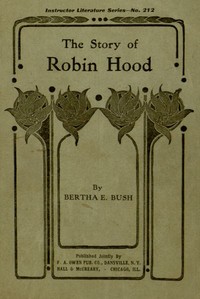
Stories of Robin Hood
Written by Bertha E. (Bertha Evangeline) Bush
Chaptra reads alongside you — AI insights, chapter breakdowns and reader discussions for every book. Join free
About this book
Reading guide
Themes, characters and key ideas in Stories of Robin Hood, written by Chaptra AI.
- about 8 hours
- intermediate
- adventurous
- uplifting
- chivalrous
Bertha E. Bush's "Stories of Robin Hood" is an early 20th-century collection that reintroduces the legendary outlaw, Robin Hood, and his Merry Men to a new generation. Set against the backdrop of oppressive Norman rule, the tales champion social justice, portraying Robin as a heroic figure who redistributes wealth from the corrupt rich to the impoverished. The book masterfully blends adventure with moral lessons, highlighting themes of loyalty, camaraderie, and righteous defiance against tyranny. Through episodic narratives of daring escapades in Sherwood Forest, Bush's collection ensures the enduring appeal of Robin Hood as a symbol of hope and fairness for the oppressed.
“"It is not by the law of men that we shall live, but by the law of justice and our own true hearts."”
Key themes
- Justice vs. Law
- This theme explores the conflict between codified laws, which are often manipulated by corrupt authorities, and a higher, moral sense of justice. Robin Hood consistently operates outside the King's law, but his actions are presented as inherently just, highlighting the idea that true righteousness can sometimes necessitate defying established legal systems.
- Social Inequality and Oppression
- The stories vividly depict the stark contrast between the wealthy, often corrupt, Norman overlords (like the Sheriff) and the impoverished, oppressed Saxon common folk. Robin Hood emerges as a champion for the latter, actively working to alleviate their suffering and challenge the systemic injustices that keep them in poverty and subjugation.
- Loyalty and Camaraderie
- The bond among Robin Hood and his Merry Men is a cornerstone of the collection, illustrating the power of unity, trust, and shared purpose. Their unwavering loyalty to Robin and to each other is essential for their survival and success against overwhelming odds, emphasizing the strength found in solidarity.
Worth discussing
When is it justified to break the law in pursuit of justice? How does Robin Hood exemplify this?
Chapter-by-chapter breakdowns, character arcs and the full thematic analysis come with a free account.
Discussions
No one has started one yet
Questions this book opens up
No discussions yet
Be the first to start a discussion about this book!
Sign up to start the discussionReviews
No reviews yet
Be the first to review this book!