
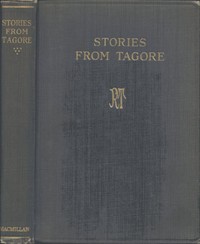
Stories from Tagore
Written by Rabindranath Tagore
Chaptra reads alongside you — AI insights, chapter breakdowns and reader discussions for every book. Join free
About this book
Reading guide
Themes, characters and key ideas in Stories from Tagore, written by Chaptra AI.
- about 8 hours
- intermediate
- poignant
- reflective
- empathetic
Rabindranath Tagore's "Stories from Tagore" is a poignant collection of short stories from early 20th-century India, offering a vivid tapestry of life, culture, and societal dynamics. Through relatable characters and evocative narratives, the anthology masterfully explores universal themes such as love, loss, friendship, innocence, and the complexities of the human condition. The opening story, "The Cabuliwallah," sets a powerful tone by illustrating a tender, unlikely bond between a spirited young Bengali girl, Mini, and a rugged Afghan fruit-seller, Rahmun, thereby highlighting cultural contrasts and the profound nature of human connection across social divides. Each story serves as a window into the emotional and spiritual journeys of its protagonists, often revealing deeper truths about empathy, sacrifice, and the passage of time. The collection ultimately leaves readers with a profound appreciation for the subtle nuances of human experience and the enduring power of compassion.
“"Mini, my Cabuliwallah!" she would cry, and the Cabuliwallah, turning, would come up to her with a smiling face.”
Key themes
- Human Connection and Empathy
- A central theme across the collection is the profound capacity for human connection that transcends age, class, culture, and even language. Tagore emphasizes the innate human need for belonging and understanding, often showing how empathy can bridge vast divides and reveal shared humanity. This theme is often explored through unlikely friendships or deeply felt familial bonds.
- Innocence and Childhood
- Tagore often portrays childhood as a state of unblemished purity and curiosity, a stark contrast to the complexities and sorrows of adulthood. Characters like Mini embody this innocence, which allows for pure, unburdened connections that transcend social norms and prejudices. The theme often explores the ephemeral nature of childhood and the bittersweet loss of innocence as characters mature.
- Love and Loss
- Tagore's stories frequently delve into the bittersweet nature of love, which is often intertwined with the inevitability of loss, separation, and the passage of time. Whether it's the loss of a loved one, the fading of childhood, or the pain of physical distance, these narratives explore the emotional impact of absence and the enduring power of memory and affection.
Worth discussing
How does 'The Cabuliwallah' explore the universal themes of parental love and separation across cultural boundaries?
Chapter-by-chapter breakdowns, character arcs and the full thematic analysis come with a free account.
Discussions
No one has started one yet
Questions this book opens up
No discussions yet
Be the first to start a discussion about this book!
Sign up to start the discussionReviews
No reviews yet
Be the first to review this book!