
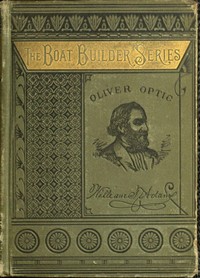
Stem to Stern; or, building the boat
Written by Oliver Optic
Chaptra reads alongside you — AI insights, chapter breakdowns and reader discussions for every book. Join free
About this book
Reading guide
Themes, characters and key ideas in Stem to Stern; or, building the boat, written by Chaptra AI.
- about 8 hours
- intermediate
- adventurous
- didactic
- earnest
Oliver Optic's "Stem to Stern; or, Building the Boat" is a late 19th-century juvenile novel, part of the Boat-Builder Series, set against the scenic backdrop of Lake Champlain. The story centers on the Bristol siblings, Lily and Paul, as they navigate social and economic challenges connected to the Beech Hill Industrial School. An initial confrontation establishes tension when Paul defends Lily from the arrogant advances of Walker Billcord, highlighting themes of class struggle, personal honor, and perseverance. Through the narrative, the book explores the practicalities of boat building while championing resilience and integrity in the face of adversity, ultimately serving as a didactic tale for young readers.
“"True strength lies not in inherited wealth, but in the integrity of one's character and the labor of one's hands."”
Key themes
- Resilience and Perseverance
- This theme is central, emphasizing the ability of the Bristol siblings to withstand and overcome adversity, both social and economic. Their struggles are presented as opportunities for growth and demonstrations of inner strength.
- Class Conflict and Social Justice
- The stark contrast between the Bristol family's struggles and Walker Billcord's arrogance highlights the social stratification and inequities of the era. The narrative champions the virtuous poor against the entitled rich, advocating for justice and fair treatment regardless of social standing.
- Honor and Integrity
- The narrative strongly foregrounds the concept of personal honor, particularly through Paul's actions. His defense of Lily and his principled stand against Walker Billcord demonstrate that true worth comes from one's moral character, not from social status or wealth.
Worth discussing
How does the novel portray class differences, and are these portrayals still relevant today?
Chapter-by-chapter breakdowns, character arcs and the full thematic analysis come with a free account.
Discussions
No one has started one yet
Questions this book opens up
No discussions yet
Be the first to start a discussion about this book!
Sign up to start the discussionReviews
No reviews yet
Be the first to review this book!